Cooperation Experience Between Guangzhou Siben and Panyu Hitachi in Equipment Procurement

Author: Site Editor     Publish Time: 2022-09-16      Origin: Site

Inquire

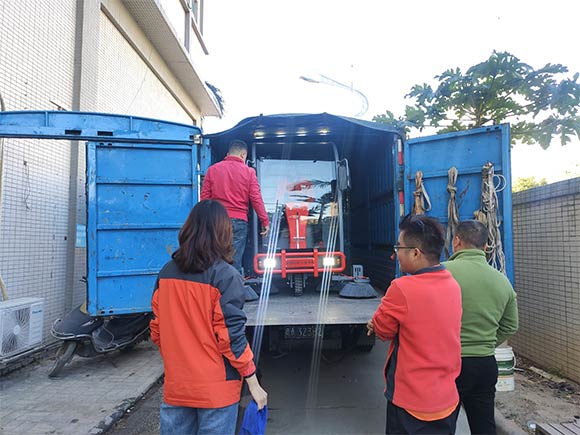
As a leading enterprise in the cleaning equipment industry, Guangzhou Siben Environmental Technology Co., Ltd. has long been dedicated to providing efficient and reliable industrial cleaning solutions for various industrial settings. In collaboration with Panyu Hitachi Metal Factory, we leveraged our expertise to customize a cleaning equipment procurement plan tailored to their needs, empowering them to optimize and enhance their production environment.

RL1


Panyu Hitachi Metal Factory, a renowned manufacturer of metal products, places stringent demands on the cleanliness of its production facilities. With continuous expansion of its operations, traditional cleaning methods could no longer meet the requirements for both efficiency and quality. Consequently, the factory decided to introduce advanced cleaning equipment to elevate overall environmental standards.  


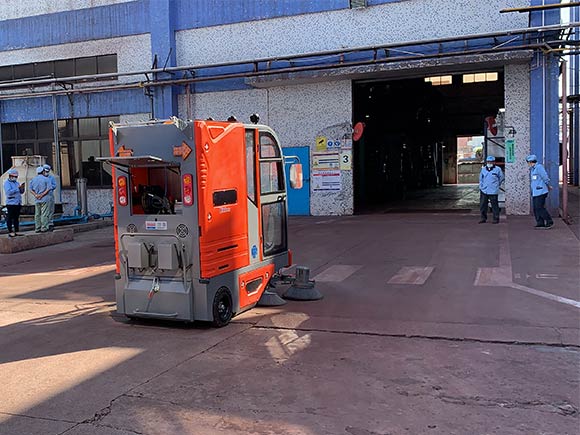
Upon learning of Panyu Hitachi Metal Factory's requirements, Guangzhou Siben Environmental Technology Co., Ltd. responded swiftly by dispatching a professional team to conduct an on-site assessment. We gained a thorough understanding of the factory's production workflows, specific cleaning needs, and operational scenarios through detailed discussions with the management team. Based on this analysis, we recommended a series of cleaning equipment suited to the metal factory's environment, including industrial floor scrubbers, sweepers, and industrial vacuum cleaners.  

RL2


These machines not only deliver highly efficient cleaning performance but also adapt to the unique challenges of the metalworking environment. The floor scrubbers and sweepers rapidly remove contaminants such as oil stains and metal shavings from floors, maintaining a pristine surface. Meanwhile, the industrial vacuum cleaners effectively capture airborne dust and particulate matter, significantly improving workshop air quality.  


Following equipment delivery, we provided comprehensive operational training to the factory staff, ensuring seamless integration into daily workflows. Additionally, we established a robust after-sales service system to offer timely technical support and maintenance, guaranteeing sustained stability and reliability of the equipment.


NEWS
Warehouse Dust Cleaning That Survives an Inspection: Three Heights, Three Cycles, One Signed Card
2026 / - 10 / - 23

Most warehouse cleaning rules mention floors and stop there. Dust settles where airflow is slow, on rack beams, light fittings and cable trays. This guide splits a warehouse into three height bands, maps each band to per-shift, weekly and monthly cycles, and shows how to prove the work was done using a cloth test, a weighing test and a re-settling check.

Robot Floor Scrubbers: How to Verify Cleaning Quality on Site
2026 / - 10 / - 22

Coverage data proves a robot drove somewhere, not that the floor is clean. This guide splits cleanliness into four measurable values, classifies soil into four types, and describes three low-cost field tests. It then explains how to code sampling points, keep results stable across shifts, assign cause when a check fails, and write acceptance criteria into a service contract.

Repair or Replace Cleaning Equipment: Retire the Old Unit, Then Accept the New One
2026 / - 10 / - 21

Most fleets do not fail at buying; they fail at retiring. A machine that still turns may no longer belong on that floor, and an old unit hauled away without records can return as a liability. This guide gives four tests for keep-or-replace, three price anchors for resale, the fork between scrap and transfer, battery handover, star clauses in tenders, and a three-sign-off acceptance.

Auto Service Bay Cleaning: Zone by Water, Not by Habit, Then Prove It
2026 / - 10 / - 20

Most workshop cleaning fails because one mop travels the whole floor. A bay that holds oil, a booth that holds overspray and a high-voltage bay that must stay dry need different methods, tools and sign-offs. This guide sets one zoning test, walks through four zone types, covers waste and wash water, and closes with three records that make the work provable.

Industrial Pressure Washing: Match the Method to the Surface, Then Prove It
2026 / - 10 / - 19

Pressure washing fails in two directions: it damages what it should protect, or it injures the person holding the cleaning gun. Both come from treating one tool as one method. This guide sorts surfaces into five classes, separates what pressure does from what flow does, covers jet injury and isolation, routes the wastewater, and closes with three lines of acceptance.

Industrial Floor Scrubber Troubleshooting: 12 Common Problems & DIY Fixes
2026 / - 09 / - 17

This comprehensive troubleshooting guide walks facility maintenance teams through diagnosing and resolving the 12 most common industrial floor scrubber problems. From brush and squeegee issues to battery failures, error codes, and unusual noises, each problem includes a step-by-step diagnostic flow and practical DIY fix recommendations, plus guidance on when to call for professional service.

What Is a Ride-On Floor Scrubber? Buyer’s Guide
2026 / - 09 / - 08

A ride-on floor scrubber is a ride-operated machine that washes, scrubs and dries large hard floors in a single pass. This guide explains what it is, its key components, cleaning output per hour, who it best suits, and how to size one correctly — with a ride-on vs walk-behind comparison table and a practical FAQ for overseas B2B buyers.

What is a Walk-Behind Floor Scrubber & Who Should Use It
2026 / - 09 / - 07

This article provides a comprehensive overview of walk-behind floor scrubbers—covering their definition, core components (brush, squeegee, dual-tank system), ideal applications, and key selection criteria. It helps procurement professionals quickly determine whether a walk-behind machine suits their facility and compares it with ride-on models for informed decision-making.