Industrial Cleaning Equipment: Rental vs. Purchase? A Complete Buyer's Decision Guide

Author: SIBEN     Publish Time: 2026-08-19      Origin: Site

Inquire

I. Rental or Purchase Depends on Frequency and TCO

  • When to Rent: Short projects, temporary capacity, trials, or uncertain budgets.

  • When to Purchase: Long-term, high-frequency use usually favors purchase. When a machine is used daily, purchasing is more stable.

  • Core Comparison Logic: Do not compare only monthly rent and purchase price. Include labor savings, scheduling, consumables, batteries, maintenance, downtime, and training.

  • Summary: Purchase is more stable when the machine is used daily; rental is more flexible when project demand changes.
    6E3A7804

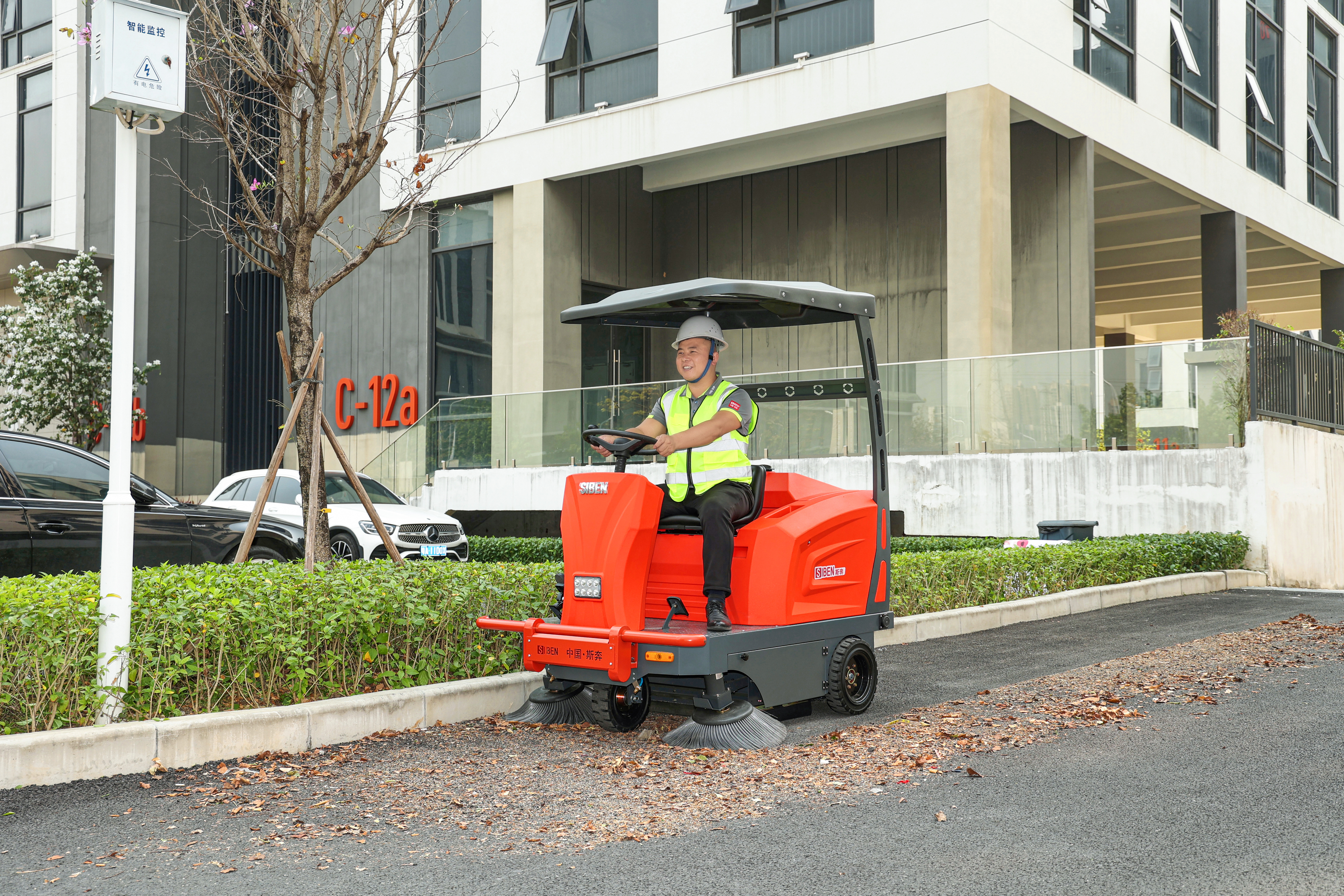
Industrial Floor Sweeper A400 )

II. SIBEN Equipment Fit and Core Metrics

SIBEN can match walk-behind floor scrubbers, ride-on floor scrubbers, industrial cleaning robots, sweepers, and industrial vacuum cleaners to the actual cleaning workflow.

  • Focus for This Version: Shift planning, off-peak cleaning, and long-term maintenance.

  • Main Comparison Metrics: Uptime, consumable cost, training effort, spare parts, and service response.


3

Commercial Floor Sweeping Robot KENAN 

(for Garment & Textile Industry)

III. Field Application Advice

In a real facility plan, start with the cleaning workflow rather than a single machine parameter. Before buying, list:

  • Zones, floor materials, and soil types.

  • Cleaning frequency, working windows, water supply, drainage, and staffing.

This avoids undersized, oversized, or mismatched equipment and makes later training, consumables, maintenance, and service response easier to manage.


2X5

2

Erlang Shen

IV. Buyer Decision Criteria

List and evaluate the following dimensions when making your final decision:

  • Use days, daily hours, cleaning area, and operators.

  • Maintenance responsibility and cash-flow needs.

  • The decision should focus on TCO and project period.

Conclusion

A strong equipment decision connects the cleaning task, machine combination, operator workflow, and long-term support requirements.


Industrial Cleaning Equipment: Rental vs. Purchase? A Complete Buyer's Decision Guide
2026 / - 08 / - 19

This article provides a scenario-specific decision-making guide for facility teams comparing the rental versus purchase of industrial cleaning equipment. The author emphasizes that decisions should not be based solely on monthly rent or purchase prices, but rather on the Total Cost of Ownership (TCO), including labor savings, maintenance responsibilities, downtime risks, and usage frequency. By evaluating actual operational workflows—such as cleaning areas, soil types, and working windows—businesses can select the optimal equipment strategy to maximize efficiency and control long-trm costs.

Guide to Industrial Cleaning Equipment Procurement and Manufacturer Evaluation
2026 / - 08 / - 18

This article explores key factors in industrial cleaning equipment procurement, highlighting that a manufacturer's service capabilities—such as after-sales maintenance, parts supply, and training—are just as critical as machine performance. It guides buyers on scientifically pairing scrubbers, sweepers, and cleaning robots based on workflow, floor materials, and traffic flow, while evaluating total cost, delivery, and support for long-term operational success.

Cleaning Equipment Selection for Electronics Manufacturing Areas
2026 / - 08 / - 17

This article explores the core logic and equipment selection methods for industrial floor cleaning. It points out that factory floor cleaning cannot be evaluated based on area alone; instead, different types of dirt—such as oil stains, dust, metal shavings, and tire marks—must be categorized and treated accordingly, alongside the implementation of a scientific workflow consisting of "sweeping/dust extraction first, followed by scrubbing." Meanwhile, combined with SIBEN's product line (such as walk-behind/ride-on floor scrubbers, industrial cleaning robots, sweepers, and industrial vacuum cleaners), the article provides buyers with decision-making criteria based on facility layout, aisle width, operating time, and long-term costs. It emphasizes the integration of machine combinations, practical operational workflows, and long-term after-sales support to achieve efficient cost reduction.

What Industrial Cleaning Scenarios Are High-Pressure Cleaners Suitable For? Surface, Floor, and Outdoor Stain Treatment
2026 / - 08 / - 14

This article briefly introduces the applications of high-pressure cleaners in the industrial sector, focusing on three core scenarios: Equipment Surface Cleaning: Efficiently removes oil stains and rust for precise maintenance. Floor Deep Cleaning: Quickly breaks up stubborn oil films to eliminate slip hazards. Outdoor Environmental Treatment: Easily handles large-scale stubborn stains and pipeline dredging, helping enterprises reduce costs, increase efficiency, and ensure safe production.

Airport & High-Speed Rail Station Cleaning Equipment Allocation Guide
2026 / - 08 / - 13

This article provides a comprehensive guide on scientific cleaning equipment configuration and zoning management for ultra-high-traffic transit hubs such as airports and high-speed rail stations. It highlights core challenges like complex flooring, non-stop passenger flow, and strict slip-resistance requirements, while offering tailored scrubber, sweeper, and vacuum selection strategies across various functional zones including indoor halls, passenger corridors, outdoor plazas, and parking lots. Additionally, it outlines key evaluation criteria such as noise control, water absorption, battery endurance, and unified procurement to help property managers achieve efficient, cost-effective floor care operations.

How to Choose Low-Noise Industrial Cleaning Equipment for Malls, Hospitals, and Schools
2026 / - 08 / - 12

This article delves into how to scientifically select and evaluate low-noise industrial cleaning equipment for noise-sensitive public places such as malls, hospitals, schools, and office buildings. The article first highlights the core importance of low noise in maintaining order in high-traffic areas; then provides specific selection standards from four dimensions: decibel indicators, motor technology, venue-model matching, and cleaning operation time planning; subsequently introduces comprehensive solutions for achieving quiet and efficient cleaning through "sweeping-scrubbing combinations" and "intelligent robot nighttime operations"; and finally offers practical advice for buyers on inspecting manufacturers for true test data and after-sales support.

Industrial Cleaning Robots: The Future of Smart Cleaning Solutions
2026 / - 08 / - 05

This article explores the application and development trends of industrial cleaning robots in modern factories, warehouses, and commercial facilities. It points out that with rising labor costs and increasing demands for efficiency, industrial cleaning robots—which combine AI and autonomous navigation technologies—have become an efficient alternative to traditional manual cleaning. The article details the core advantages of choosing cleaning robots (such as reducing labor costs, improving cleaning consistency, and enhancing workplace safety), outlines their intelligent workflow and application scenarios, and answers common questions regarding nighttime operation and return on investment, comprehensively demonstrating the professional value of SIBEN industrial cleaning solutions in smart facility management.

How to Choose Cleaning Equipment for Food Factories
2026 / - 08 / - 11

In food manufacturing, cleanliness is critical to safety and compliance. This article analyzes how to select industrial scrubbers, sweepers, and robots by focusing on floor hygiene, water control, and cross-contamination risks to ensure both efficiency and food safety standards are met.