The modern industrial cleaning machine — whether it is an autonomous mobile robot (AMR), a ride-on floor scrubber, or a ride-on sweeper — is only as reliable as the battery that powers it. For facility managers and procurement teams, the battery chemistry under the hood is not a trivial technical detail. It determines how long a machine runs per charge, how quickly it recharges, how many years it will serve before replacement, and ultimately the total cost of ownership of the entire cleaning fleet.
Two battery chemistries dominate the industrial cleaning equipment market today: lithium-ion (most commonly lithium iron phosphate, LiFePO4) and lead-acid (flooded or AGM). This guide breaks down the technical differences between them and explains how those differences translate into real-world performance across the Siben product line, from the flagship Thunder God cleaning robot to the X-Series scrubbers and A-Series sweepers.
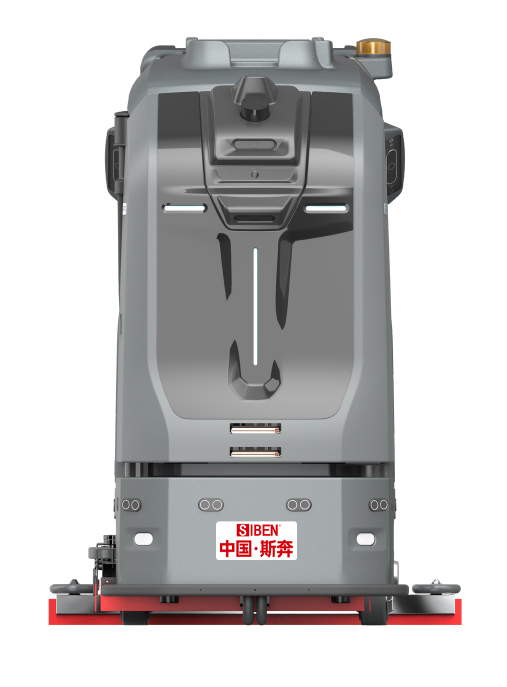
Figure 1: Siben Thunder God AMR Cleaning Robot — powered by a sealed, high-energy-density lithium-ion battery for 1,800 m²/h of autonomous coverage
Why Battery Choice Determines Cleaning Productivity
In industrial cleaning, uptime is everything. A machine parked on a charger for six to eight hours is a machine that is not cleaning. Across a multi-shift warehouse, logistics center, or manufacturing plant, battery-related downtime compounds quickly into higher labor costs and longer cleaning windows. Conversely, the right battery allows a single machine to work nearly continuously, charging only during short operator breaks or shift changes.
Battery choice also affects the machine's very design. A heavy lead-acid pack adds considerable weight to a walk-behind scrubber, increasing operator fatigue and brush pressure uncontrollably. A lighter lithium pack improves maneuverability, extends brush and squeegee life, and enables the compact, low-profile chassis required by today's autonomous robots.
Lithium-ion vs. Lead-acid: A Technical Head-to-Head
The differences between the two chemistries are most visible when compared across five measurable dimensions: energy density, charging behavior, cycle life, maintenance burden, and environmental tolerance. The table below summarizes them.
| Dimension |
Lithium-ion (LiFePO4) |
Lead-acid (flooded / AGM) |
| Energy density |
High — roughly half the weight and 40–60% less bulk for equal capacity |
Low — heavy and bulky; large packs dominate machine weight |
| Charging speed |
Fast — 1–2 hours to 80%, supports opportunity charging |
Slow — 6–8 hours for a full cycle; partial charging reduces life |
| Cycle life |
2,000–5,000 cycles (7–10 years daily use) |
500–1,200 cycles (2–4 years daily use) |
| Maintenance |
Maintenance-free, sealed, no watering |
Requires water topping-up, terminal cleaning, equalization charges |
| Cold / heat tolerance |
Good, with built-in battery management system (BMS) |
Capacity drops sharply in cold; risk of thermal issues in heat |
Energy Density and Weight
Lithium iron phosphate cells store significantly more energy per kilogram and per liter than lead-acid cells. In practice this means a lithium-equipped walk-behind scrubber weighs 30–50 kg less than its lead-acid equivalent, a difference that operators feel immediately over an eight-hour shift. For autonomous robots, the lighter pack frees up design headroom for larger solution tanks and stronger suction fans without exceeding safe torque limits on the drive wheels.
Charging Speed and Opportunity Charging
This is the single most consequential operational difference. Lithium-ion chemistry accepts high charge currents without the sulfation and gassing that degrade lead-acid plates, so a depleted lithium pack can return to 80% charge in as little as one to two hours. More importantly, lithium supports opportunity charging: operators can plug the machine in for 15 to 30 minutes during a lunch break or between shifts and gain meaningful runtime, with no memory effect. Lead-acid, by contrast, demands full, uninterrupted charge cycles; repeatedly interrupting them shortens battery life dramatically.
Cycle Life and Total Cost of Ownership
A quality LiFePO4 battery delivers roughly 2,000 to 5,000 charge cycles, translating to 7–10 years of daily industrial use. A lead-acid pack in the same duty cycle is typically exhausted after 500 to 1,200 cycles, or 2–4 years. Although lithium carries a 2–3x higher upfront price, its total cost per cycle is 30–50% lower because it lasts longer, charges faster, and needs no maintenance labor. For a fleet operator running two or three shifts daily, lithium is almost always the cheaper option over a five-year horizon.
Maintenance Requirements
Lead-acid batteries demand routine care: distilled water must be topped up on flooded cells, terminals cleaned and tightened, and periodic equalization charges performed to prevent stratification. These tasks add labor, require trained staff, and — if neglected — silently shorten battery life. Lithium-ion packs are sealed, maintenance-free, and managed by an integrated BMS that prevents overcharge, over-discharge, and overheating automatically.
Safety and Temperature Performance
Modern lithium iron phosphate chemistry is inherently stable and non-flammable under normal industrial conditions, and its BMS provides continuous cell-level monitoring. Lead-acid batteries emit hydrogen gas during charging and require ventilated charging rooms — a genuine facility-planning constraint. In cold environments, lead-acid loses a large share of its rated capacity, while lithium retains more of it, making lithium the better choice for cold-storage and refrigerated logistics applications.
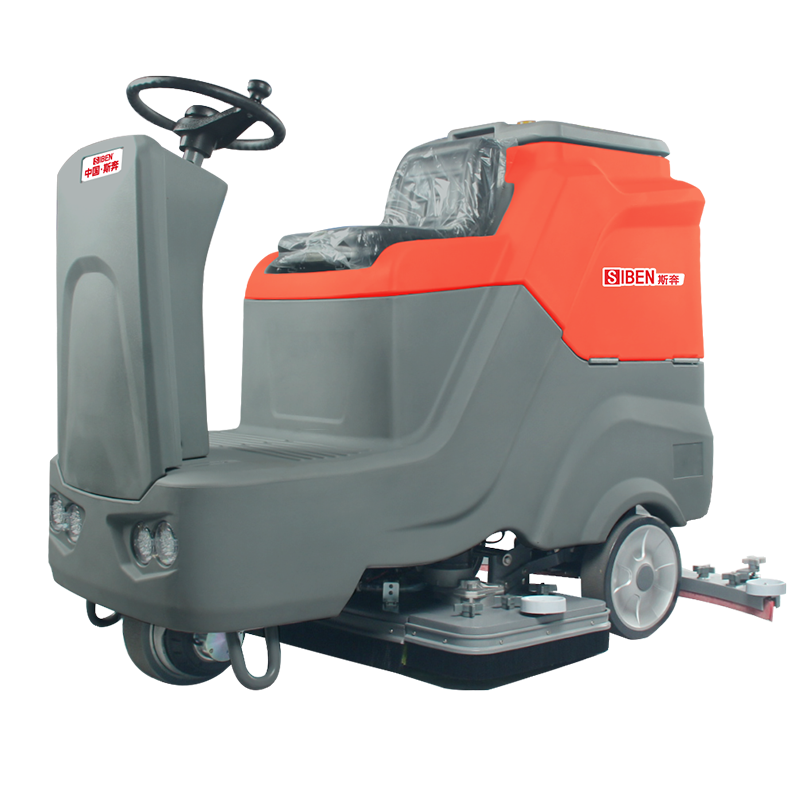
Figure 2: Siben X8 Ride-On Floor Scrubber — compact lithium power extends runtime and reduces machine weight for large-surface cleaning
How Battery Technology Maps Across the Siben Product Line
Siben engineers battery selection into every machine around its duty cycle and operating environment. The result is that different product families take advantage of lithium technology in different ways.
AMR Cleaning Robots (Thunder God)
The Siben Thunder God cleaning robot is designed around lithium-ion power. Its autonomous navigation, 1,800 m²/h coverage, automatic water refill and drainage, and intelligent obstacle avoidance all depend on a stable, high-density power source that can support rapid opportunity charging at its docking station. The compact lithium pack keeps the robot's center of gravity low for confident cornering while freeing internal space for the water and recovery tanks that enable true unattended cleaning.
Ride-on and Walk-behind Scrubbers (X2–X8)
The X-Series offers lithium as the recommended power option across the range. For walk-behind models (X2–X5), the weight saving reduces operator fatigue and improves brush-pressure control on delicate flooring. For ride-on models (X6–X8), lithium delivers longer runtime per charge and fast turnarounds that suit continuous multi-shift operations in logistics centers and large manufacturing halls.
Industrial Sweepers (A300–A900)
Sweepers run long, uninterrupted routes and are frequently deployed outdoors or in semi-covered yards, where a dependable, temperature-tolerant battery matters more than raw weight. Lithium-equipped A-Series sweepers provide consistent suction and brush performance across a full charge, with the option of opportunity charging to extend coverage during peak yard traffic.
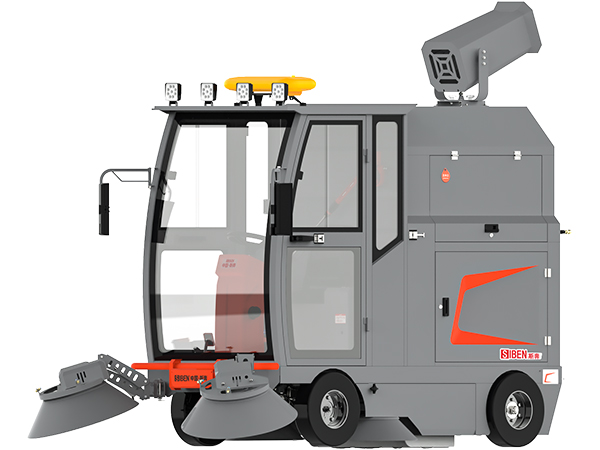
Figure 3: Siben A900 Industrial Sweeper — reliable lithium power sustains consistent brush and suction performance over long routes
How to Choose the Right Battery for Your Operation
Selecting between lithium-ion and lead-acid ultimately comes down to your operating profile. Ask yourself three questions:
How many shifts do you run? Multi-shift facilities that need machines back in service quickly will see the fastest payback from lithium's opportunity charging.
What is your maintenance capability? If you lack trained staff for battery watering and equalization, a sealed lithium pack eliminates that burden entirely.
What is your planning horizon? Budgeting on total cost of ownership rather than upfront price — over three or more years — usually favors lithium.
When Lead-acid Still Makes Sense
Lead-acid has not vanished from the market, and in specific cases it remains a defensible choice. For low-frequency, light-duty applications — a machine used a few hours a week, then returned to a charger — the lower acquisition cost may justify the trade-off. Facilities with existing lead-acid charging infrastructure and predictable single-shift schedules can also continue to justify lead-acid on economics alone. As a general rule, though, the moment a machine must clean more than a single shift per day, lithium becomes the lower-cost and more reliable option.
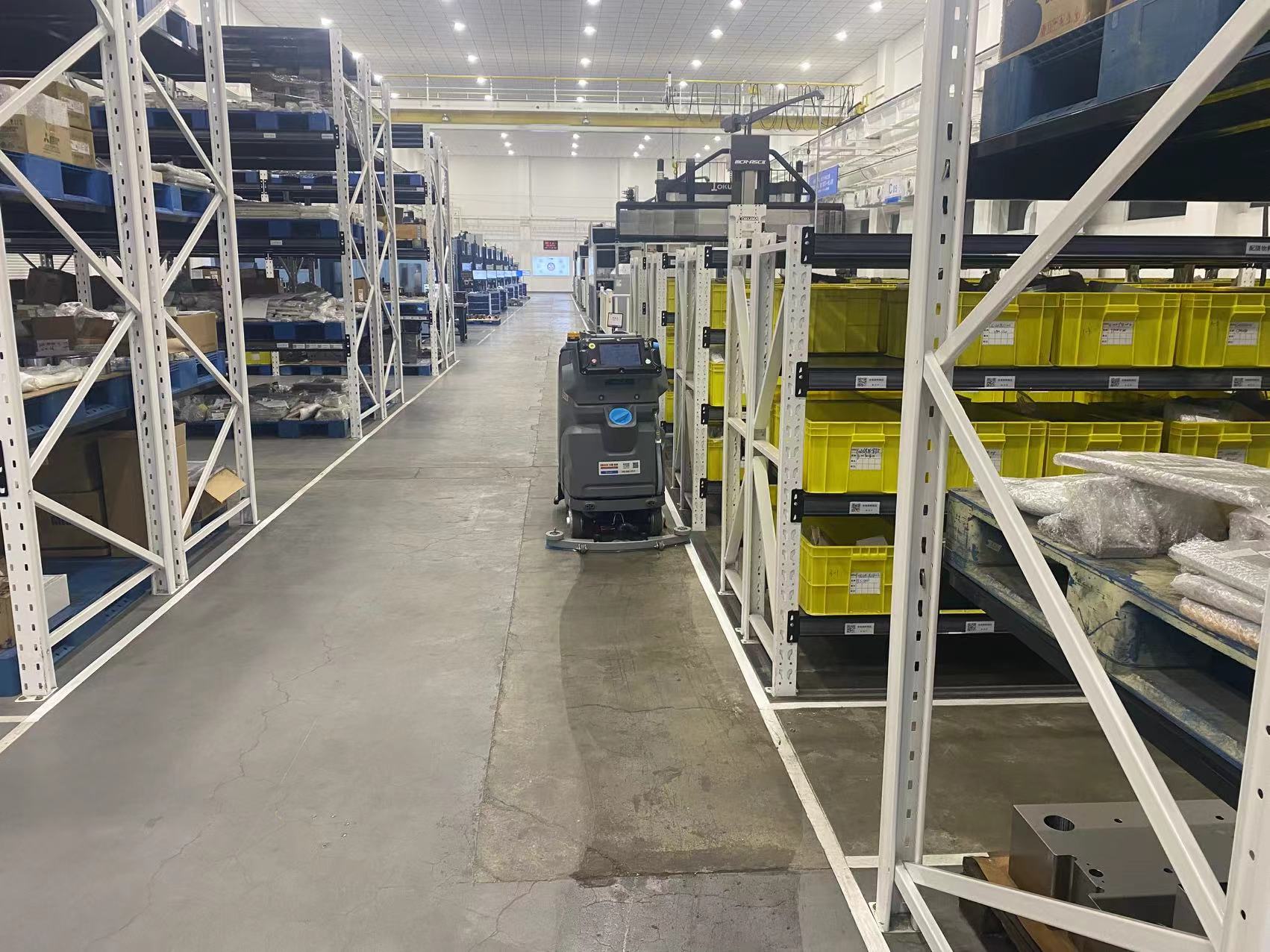
Figure 4: Siben Thunder God in a live warehouse deployment — long lithium runtime supports extended unattended cleaning windows
Frequently Asked Questions
Which battery is better for an industrial floor scrubber: lithium-ion or lead-acid?
Lithium-ion is better for most industrial floor scrubbers. It charges 3–4 times faster, lasts 2–3 times longer in cycle life, weighs about half as much, and requires no water topping-up. Lead-acid remains a lower-upfront-cost option for light-duty use with long idle periods.
How long does a lithium battery last in an industrial cleaning machine?
A lithium-ion (LiFePO4) battery typically lasts 2,000–5,000 charge cycles, or roughly 7–10 years of daily use in an industrial scrubber or sweeper. A lead-acid battery usually lasts 500–1,200 cycles, or about 2–4 years under the same workload.
Can you charge a lithium battery floor scrubber during breaks?
Yes. Lithium-ion batteries support opportunity charging — they can be plugged in for 15–30 minutes during a break and regain meaningful capacity without memory effect. Lead-acid batteries require full multi-hour charge cycles and lose life if repeatedly only partially charged.
Why do autonomous cleaning robots use lithium batteries?
Autonomous cleaning robots such as the Siben Thunder God use lithium batteries because they deliver high energy density in a compact, lightweight package, support rapid opportunity charging, and maintain stable voltage for consistent navigation and suction performance throughout a full cleaning cycle.
What is the total cost difference between lithium-ion and lead-acid batteries?
Lithium-ion batteries cost 2–3 times more upfront but typically cost 30–50% less per cycle over their lifetime because they last 2–3 times longer, charge faster, and require no maintenance. For daily multi-shift operations, lithium-ion delivers the lower total cost of ownership.
Get a Free Battery-Solution Consultation for Your Cleaning Fleet
Siben industrial cleaning equipment — from the Thunder God AMR robot to the X-Series scrubbers and A-Series sweepers — is engineered around lithium-ion power for maximum uptime and lowest total cost of ownership. Tell us your shift schedule and floor area, and we will recommend the right power configuration for your operation.
+86 18929544162 (Frank)
Contact our technical team today for a tailored equipment and battery recommendation.


