Shengbang Group Introduces Thunder God Floor Scrubbing Robots to Its Large-Scale Workshop

Author: Siben     Publish Time: 2025-02-19      Origin: Site

Inquire

Shengbang Machinery Co.,Ltd. is an enterprise engaged in electro-hydraulic transmission and control systems for construction machinery and injection molding machines. It integrates R&D, design, manufacturing, and sales, mainly focusing on agricultural machinery products. The company is already listed. Its workshop is a large-scale machine processing workshop, with a single workshop covering 20,000–30,000 square meters. The floor is heavily polluted with oil. Currently, there are three medium-sized ride-on scrubbers, but they cannot meet the actual cleaning needs on site. Three cleaning staff are assigned to clean the workshop, resulting in high costs and difficult personnel management. Moreover, the scrubbers take a long time to charge—basically, they need to be recharged after working for three hours, and the actual scrubbing time is short, failing to meet the cleaning requirements of the workshop. The workshop is often oily and dirty. Since the workshop is frequently visited by state-owned enterprises and public institutions, it is necessary to introduce robots—scrubbers that can work for long hours—to keep the workshop floor clean.
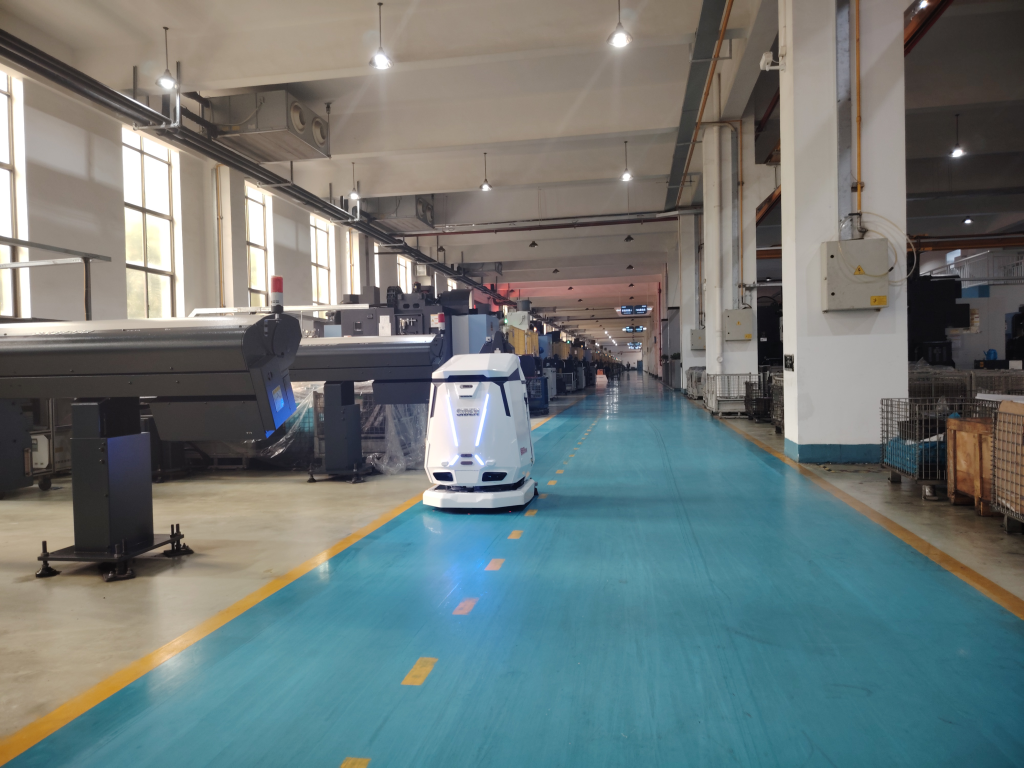

SB1


The Thunder God floor scrubbing robot can continuously scrub and mop for three hours and can be fully recharged in just one hour. Except for the charging time, it works all the time, keeping the floor clean. The investment can be recouped within one year. At the same time, the robot reduces management difficulty. It can work continuously and performs standardized operations.


We help customers analyze the actual on-site situation and the advantages of the robot. We also provide door-to-door trial services to dispel customers' worries and doubts, allowing them to see the actual effects and operational status on site. Through results and data, we convince customers that robots can improve cleaning efficiency and effectiveness, while also saving costs appropriately and enhancing corporate image.
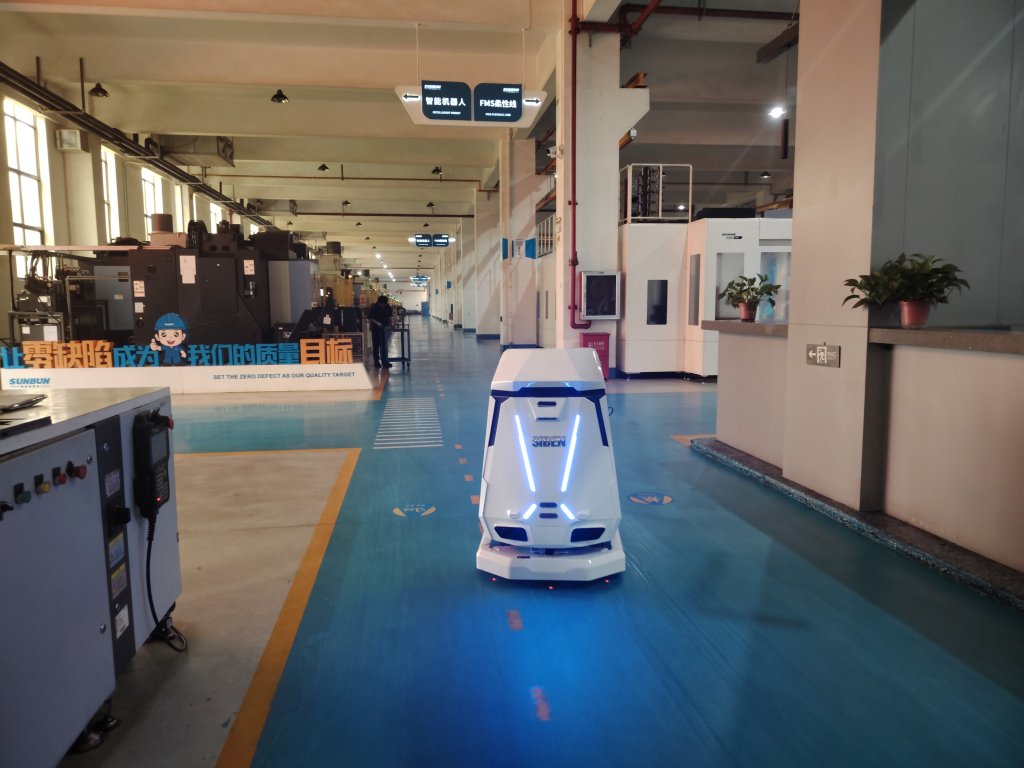

SB2


During delivery, we will also conduct on-site demonstrations of robot operations and provide hands-on training. At the same time, we will post KT boards for daily operation and maintenance to facilitate customers' daily maintenance. Let customers experience real services before, during, and after sales, and they will naturally choose to sign contracts with us.


At present, introducing robotic floor cleaning in large workshops will become a trend, because it is now difficult to recruit, manage, and retain personnel. Factories are also facing the need to reduce costs and increase efficiency. Robots can help solve the current dilemma. After introducing robots, management personnel will have more time to improve production and quality. Robots working for long hours can keep the workshop environment cleaner. A better workshop environment will also lead to better employee morale and enhance the company's external image. It is a win-win situation.


NEWS
Mall Cleaning Starts at Midnight: Two Windows, One Handover
2026 / - 11 / - 12

Shopping centres are judged in the minutes before opening, not during the night shift. This article splits cleaning into a three-hour night block that clears the route, washes and dries floors, then handles details and the waste room, and a ninety-minute handover testing five things: dry, bright, clean, odour-free and unobstructed. It adds machine choice by aisle width, noise limits by time slot, three record sheets and four contract clauses.

Dust Is Not a Sweeping Problem: Fix Capture Points Before You Buy
2026 / - 11 / - 11

Workshop dust is usually re-suspended, not removed. This guide covers the three capture points, why hood distance beats motor power, how airflow differs from vacuum, why ducts clog, and five questions to answer before buying an industrial vacuum. It closes with a log that turns dust observations into a retrofit list.

Warehouse Dust Control: Zone First, Then Choose Equipment
2026 / - 11 / - 10

For warehouse operators, the practical question is simple: which zones allow ordinary cleaning equipment, and which require certified explosion-proof machines? This guide explains how to classify your facility, verify certificates and markings, manage accumulated dust at three height levels, and specify industrial vacuums by filtration, capacity and power type.

Heavy Oil on the Factory Floor: Five Prerequisites to Check Before Blaming Your Scrubber Dryer
2026 / - 11 / - 09

When a scrubber dryer stops working on oily factory floors, the machine is rarely at fault. Most failures trace to five process prerequisites: pre-collect the sludge layer before scrubbing; dose the alkaline detergent correctly and give it dwell time; match brush type and down-pressure to the floor; keep squeegees fresh and foam under control; and set the schedule by how long the oil sits. Judge results with a paper test, a raking light and dry time.

Before You Sign: A Receiving Inspection and Commissioning Checklist for Industrial Cleaning Equipment
2026 / - 11 / - 06

An industrial cleaning machine costs the most on delivery day: defects found before signing stay with the vendor, after signing they become warranty tickets. This checklist covers the receiving window — match contract, packing list and certificates; check damage and parts; verify nameplate data against the contract; run empty, then loaded trials on your floor; confirm training and spares handover; sign an itemized acceptance sheet; log warranty and claim dates; add certificate checks in dusty areas; watch the run-in week.

How to Choose Cleaning Equipment for Hospitals & Schools: Robots Handle Fixed Routes, Humans Handle Judgment
2026 / - 11 / - 05

Facilities putting cleaning robots into hospitals and schools often fall into two extremes — "buy it and we can fire the cleaners" or "mixed human-robot environments are too risky, robots are useless." Both are wrong. The right approach is: robots run stable, repetitive, pre-authorised routes; humans handle anything that needs judgment. This article lays out a four-part framework you can execute directly.

The Gauge Is Not the Ground: Five Links That Steal High-Pressure Cleaning Force
2026 / - 11 / - 04

Pressure at the pump outlet is not pressure at the surface. Force is lost across five links: the pump curve, hose length, fitting bore, nozzle orifice and operator standoff. This guide shows how to test each link in minutes, why a nozzle is a consumable rather than an accessory, and how to record a test-patch baseline so acceptance is repeatable instead of subjective.

Auto Service Bay Cleaning: Zone by Water, Not by Habit, Then Prove It
2026 / - 10 / - 20

Most workshop cleaning fails because one mop travels the whole floor. A bay that holds oil, a booth that holds overspray and a high-voltage bay that must stay dry need different methods, tools and sign-offs. This guide sets one zoning test, walks through four zone types, covers waste and wash water, and closes with three records that make the work provable.