Siben High-Efficiency Cleaning Solutions: Driving Efficiency and Trust for Dabaoshan Mining

Author: Site Editor     Publish Time: 2021-05-06      Origin: Site

Inquire

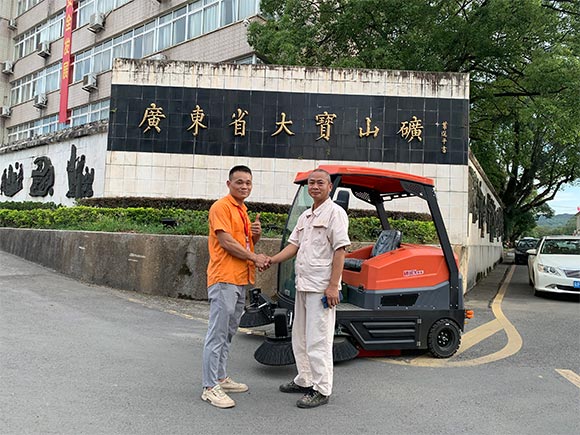
As a manufacturer dedicated to cleaning equipment, we have always focused on delivering efficient, durable and innovative solutions. When Dabaoshan Mining expressed interest in purchasing scrubber-dryers, sweepers and industrial vacuums, we immediately recognized an opportunity to join forces with a key partner.

DBS1


Dabaoshan Mining is a well-known player in the industry and sets extremely high standards for performance and quality. During our first meetings we explored their exact requirements: machines had to remain stable in harsh conditions, deliver high productivity, and offer long service life.

DBS2


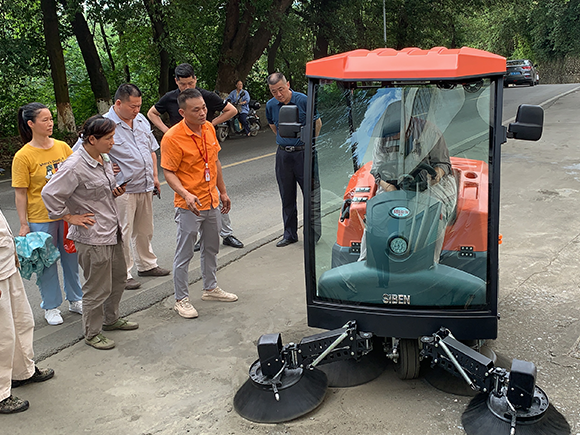
To meet those expectations, we carefully selected the most suitable scrubber, sweeper and vacuum models, then carried out rigorous quality checks and technical fine-tuning. Every unit was verified to run reliably in a complex mining environment while providing outstanding cleaning results.


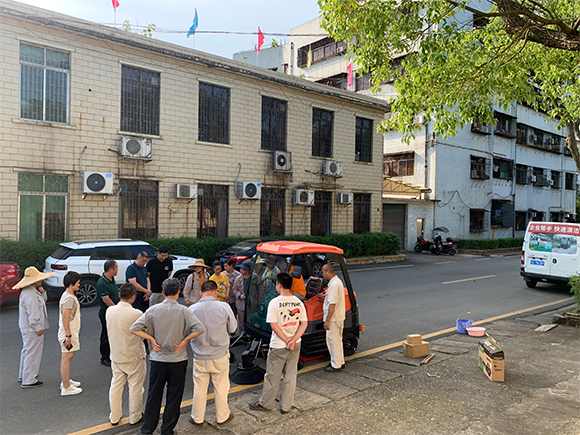
Throughout the project we maintained close communication with the Dabaoshan team. We provided comprehensive technical support and training so their staff could master the equipment quickly and handle any cleaning challenge. At the same time, we welcomed feedback and suggestions, using them to refine both products and services.


DBS3


The cooperation has created more than just a supply contract; it has built deep mutual trust. Our machines now play an important role in daily operations, raising cleaning efficiency and lowering operating costs for Dabaoshan Mining.

DBS4


Looking ahead, we are eager to deepen this partnership and explore further innovative applications of cleaning technology. We are confident that, together, we will achieve even greater success and make a larger contribution to cleanliness and sustainable development in the mining sector.


NEWS
Mall Cleaning Starts at Midnight: Two Windows, One Handover
2026 / - 11 / - 12

Shopping centres are judged in the minutes before opening, not during the night shift. This article splits cleaning into a three-hour night block that clears the route, washes and dries floors, then handles details and the waste room, and a ninety-minute handover testing five things: dry, bright, clean, odour-free and unobstructed. It adds machine choice by aisle width, noise limits by time slot, three record sheets and four contract clauses.

Dust Is Not a Sweeping Problem: Fix Capture Points Before You Buy
2026 / - 11 / - 11

Workshop dust is usually re-suspended, not removed. This guide covers the three capture points, why hood distance beats motor power, how airflow differs from vacuum, why ducts clog, and five questions to answer before buying an industrial vacuum. It closes with a log that turns dust observations into a retrofit list.

Warehouse Dust Control: Zone First, Then Choose Equipment
2026 / - 11 / - 10

For warehouse operators, the practical question is simple: which zones allow ordinary cleaning equipment, and which require certified explosion-proof machines? This guide explains how to classify your facility, verify certificates and markings, manage accumulated dust at three height levels, and specify industrial vacuums by filtration, capacity and power type.

Heavy Oil on the Factory Floor: Five Prerequisites to Check Before Blaming Your Scrubber Dryer
2026 / - 11 / - 09

When a scrubber dryer stops working on oily factory floors, the machine is rarely at fault. Most failures trace to five process prerequisites: pre-collect the sludge layer before scrubbing; dose the alkaline detergent correctly and give it dwell time; match brush type and down-pressure to the floor; keep squeegees fresh and foam under control; and set the schedule by how long the oil sits. Judge results with a paper test, a raking light and dry time.

Before You Sign: A Receiving Inspection and Commissioning Checklist for Industrial Cleaning Equipment
2026 / - 11 / - 06

An industrial cleaning machine costs the most on delivery day: defects found before signing stay with the vendor, after signing they become warranty tickets. This checklist covers the receiving window — match contract, packing list and certificates; check damage and parts; verify nameplate data against the contract; run empty, then loaded trials on your floor; confirm training and spares handover; sign an itemized acceptance sheet; log warranty and claim dates; add certificate checks in dusty areas; watch the run-in week.

How to Choose Cleaning Equipment for Hospitals & Schools: Robots Handle Fixed Routes, Humans Handle Judgment
2026 / - 11 / - 05

Facilities putting cleaning robots into hospitals and schools often fall into two extremes — "buy it and we can fire the cleaners" or "mixed human-robot environments are too risky, robots are useless." Both are wrong. The right approach is: robots run stable, repetitive, pre-authorised routes; humans handle anything that needs judgment. This article lays out a four-part framework you can execute directly.

The Gauge Is Not the Ground: Five Links That Steal High-Pressure Cleaning Force
2026 / - 11 / - 04

Pressure at the pump outlet is not pressure at the surface. Force is lost across five links: the pump curve, hose length, fitting bore, nozzle orifice and operator standoff. This guide shows how to test each link in minutes, why a nozzle is a consumable rather than an accessory, and how to record a test-patch baseline so acceptance is repeatable instead of subjective.

Auto Service Bay Cleaning: Zone by Water, Not by Habit, Then Prove It
2026 / - 10 / - 20

Most workshop cleaning fails because one mop travels the whole floor. A bay that holds oil, a booth that holds overspray and a high-voltage bay that must stay dry need different methods, tools and sign-offs. This guide sets one zoning test, walks through four zone types, covers waste and wash water, and closes with three records that make the work provable.