
High Dust Hazards in Casting Workshops? This Floor Scrubber Cuts Dust by 90%, Boosts Efficiency 6-Fold, and Delivers Safety & Cost Savings!
Author: Siben Publish Time: 2025-12-29 Origin: Site
In the casting industry, workshop floor cleaning has long been a persistent challenge — metal dust pollution, scattered scrap metal, and stubborn residue from specialized materials not only degrade the working environment but also pose significant safety risks. A casting company in Jiangxi Province addressed these issues by introducing Siben's unmanned floor scrubber robots, successfully transforming the cleaning process across its 20,000-square-meter workshop. This case serves as a model for upgrading cleaning practices in similar industrial settings.
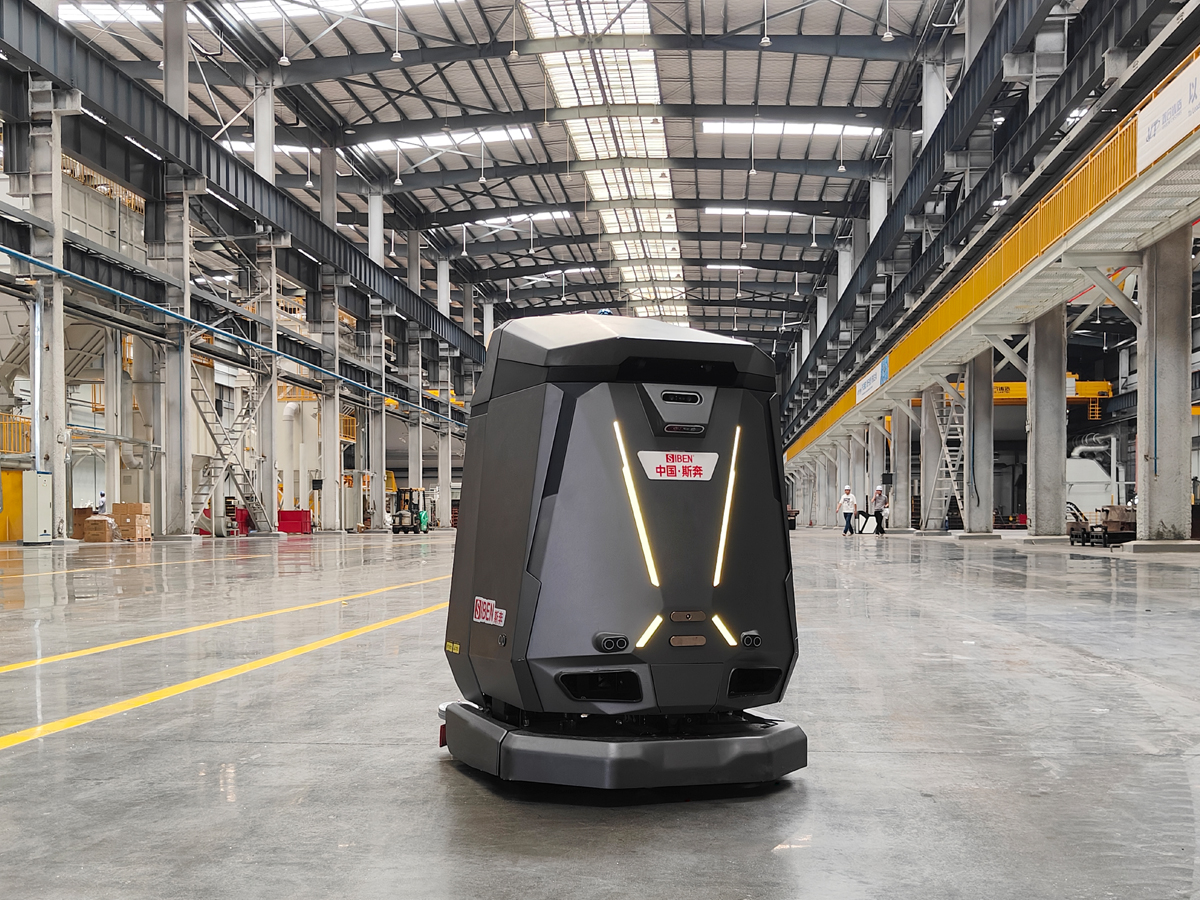
Project Background: The Triple Challenges of Cleaning a 20,000㎡ Casting Workshop
As a leading local foundry, this enterprise's core production workshop spans 20,000 square meters, specializing in metal casting processing. Before adopting Siben's unmanned floor scrubber, the workshop faced three critical cleaning challenges that hindered environmental improvement and operational safety:
1. Severe Dust Pollution, Health Risks:
Massive amounts of metal dust generated during casting float in the air and settle on floors. Even with masks, prolonged exposure posed health risks. Dust buildup also caused frequent equipment malfunctions, affecting production precision.
2. Complex Debris, Low Cleaning Efficiency:
Beyond dust, floors were littered with metal shavings, processing residues, and lightweight foam fragments in modeling areas. Manual cleaning required repeated sweeping and mopping, yet large-scale coverage remained time-consuming, labor-intensive, and ineffective.
3. Lack of Dedicated Cleaning Staff:
Without a dedicated cleaning team, workers handled cleaning tasks sporadically during production gaps. Prioritizing output often delayed cleaning, worsening debris accumulation. This created a vicious cycle: poor hygiene increased equipment jams, while inconsistent cleaning standards left sanitation gaps.
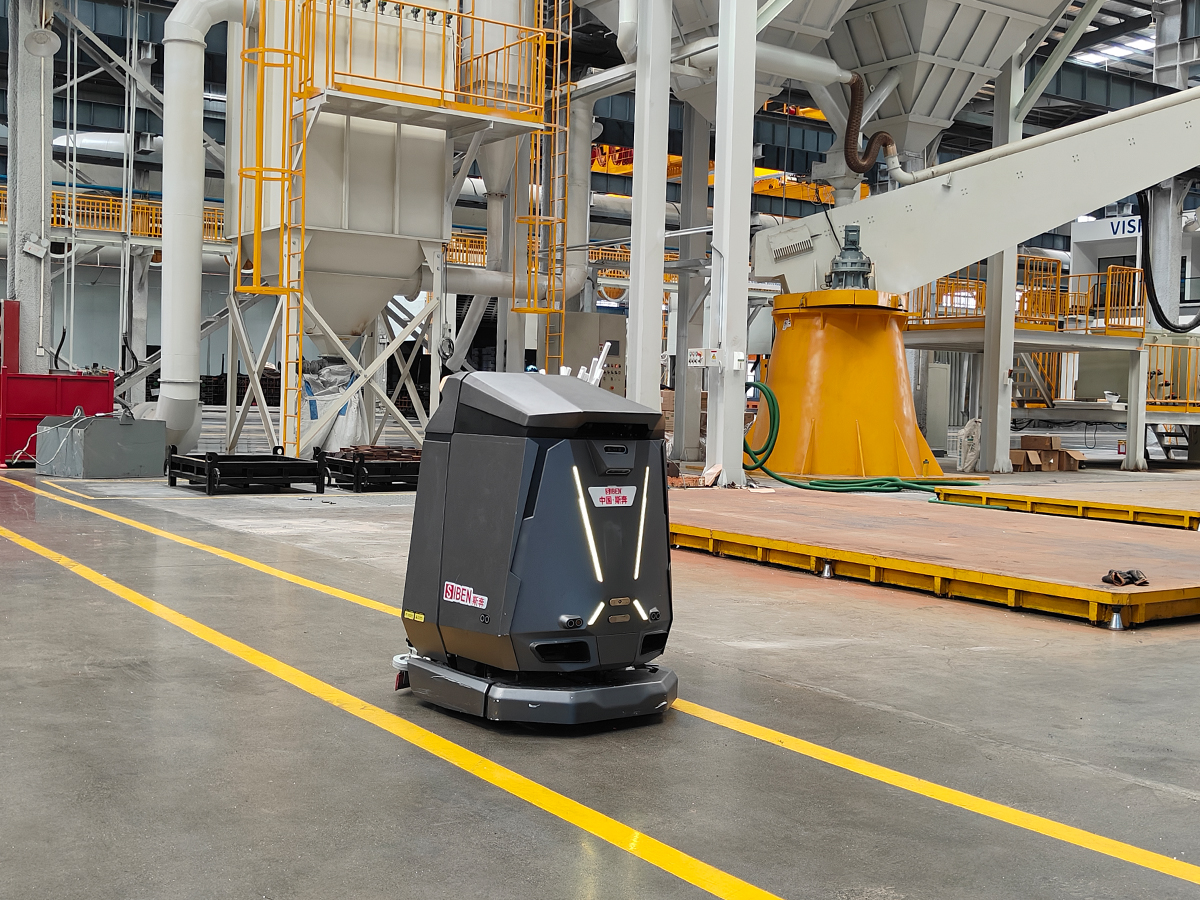
Solution: Deploying Siben's Unmanned Floor Scrubber for Intelligent "Sweep-Wash-Mop" Integration
To tackle these issues, the company selected two Siben industrial unmanned floor scrubbers after thorough research. A tailored strategy—"zoned coverage, scheduled cycles, smart adaptation"—was implemented:
- Hardware Tailored for Industrial Demands:
With ground pressure up to 29 kg and robust brushing force, the scrubber efficiently removes metal dust and stubborn stains. Its powerful suction system ensures floors dry quickly, while integrated sweeping collects bulk debris. One machine completes sweeping, washing, and mopping in a single pass.
- Automated Scheduling, Eliminating Chaotic Cleaning:
Using SLAM (Simultaneous Localization and Mapping) navigation, operators mapped the workshop and divided it into cleaning zones. Three daily automated cycles (pre-shift, lunch break, post-shift) replaced ad-hoc manual efforts. Two machines now clean the entire 20,000㎡ space in just 2.5 hours per cycle—six times faster than part-time workers—ensuring uninterrupted production.
- Unmanned Operation, Resolving Labor Conflicts:
Autonomous charging and fault alerts eliminated the need for supervision. Workers no longer sacrificed 20% of their time for cleaning, allowing full focus on production. Consistent, standardized cleaning quality was achieved without human variability.
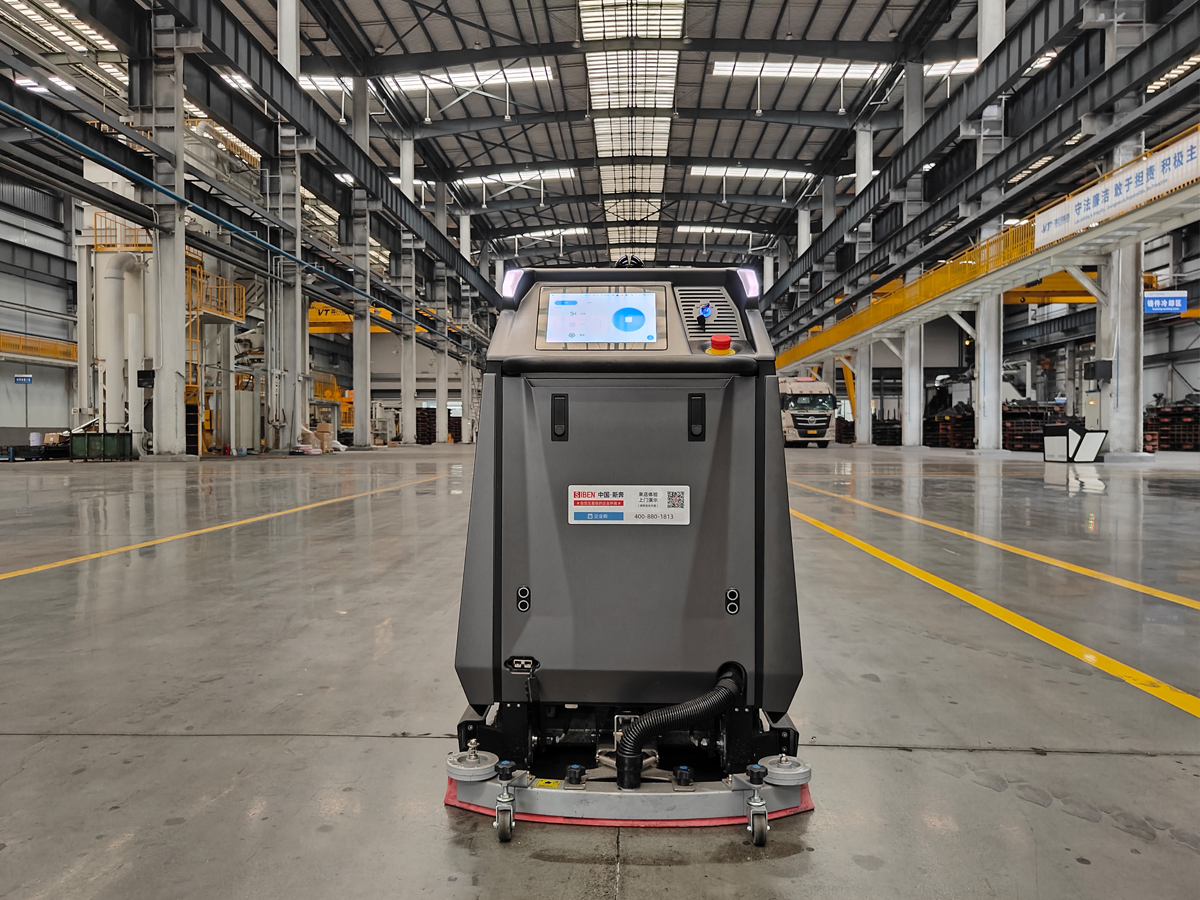
Results: Transformative Improvements in Safety and Efficiency
Since deployment, the workshop's cleanliness and operations have seen dramatic upgrades:
1. Environmental Quality:
Floor dust levels dropped by 90%. Daily removal of metal shavings and foam residue met industrial hygiene standards, improving worker comfort. No dust-related health complaints were reported in three months.
2. Enhanced Safety:
Debris-free floors reduced slip-and-trip hazards and equipment jams. Accident rates fell by 60%, while thorough cleaning of hard-to-reach areas cut machinery downtime by 20%.
3. Cost Savings:
Annual savings totaled ¥210,000. Previously, part-time cleaning incurred hidden costs (lost productivity, extra maintenance) of ¥216,000/year. Now, two scrubbers' annual operating costs (electricity, supplies, maintenance) amount to just ¥6,000.
Choosing the Right Equipment Is Key to Cost Reduction and Efficiency Gains.
The production manager noted: "Before, workers juggled cleaning amid production, leaving floors neglected during peak times. Dust pile-ups harmed both health and equipment. With Siben's autonomous scrubbers, fixed schedules keep floors spotless. Workers focus solely on production, boosting output while minimizing breakdowns!"

