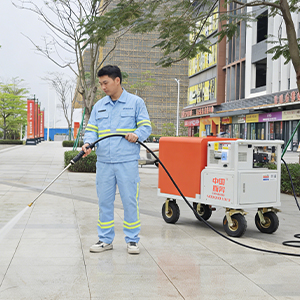
Factory-Direct Supply
Access a broad commercial cleaning range through one supplier, with export packaging and product-selection support.
SIBEN Global Partner Program
Partner with a professional commercial cleaning equipment supplier offering a broad product range, factory-direct supply and practical sales support.
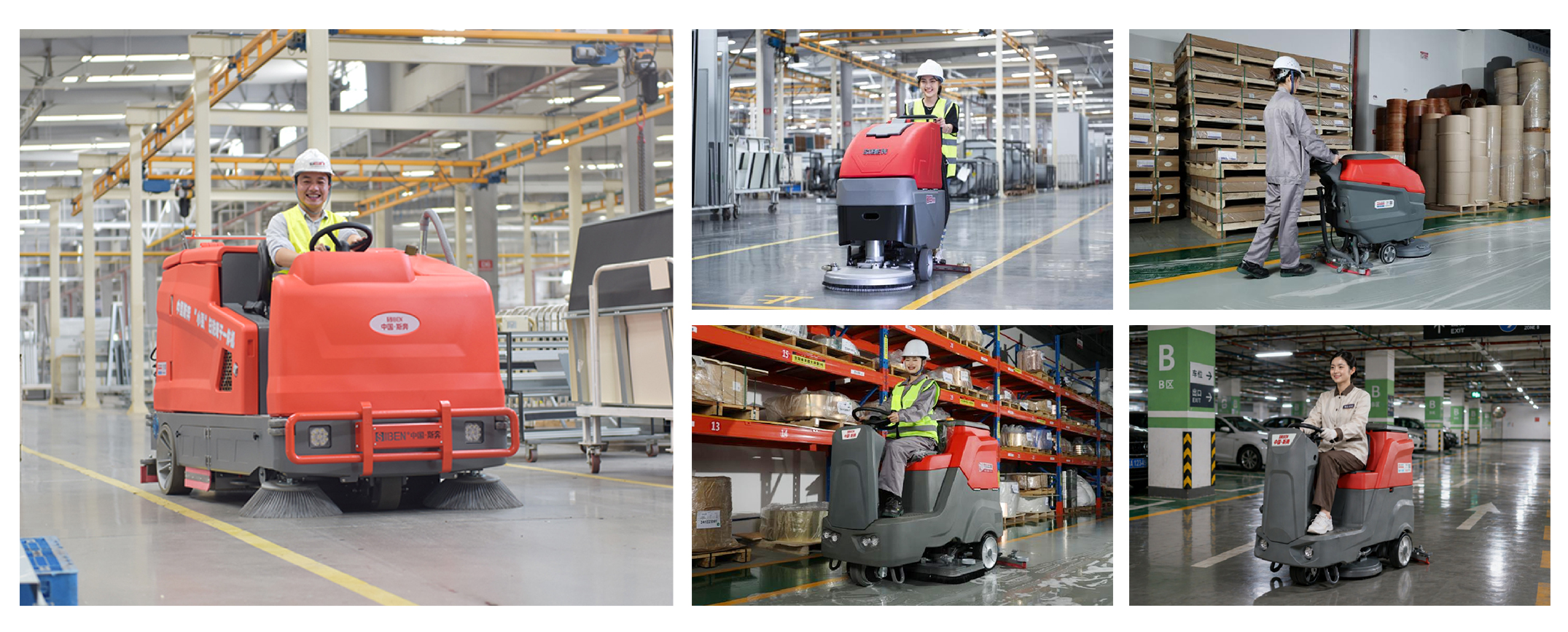
What You Can Sell
Serve factories, warehouses, shopping centers, public facilities and professional cleaning contractors with multiple product categories.
Partner Benefits
Our cooperation is designed around product supply, market development and long-term service capability.
Access a broad commercial cleaning range through one supplier, with export packaging and product-selection support.
Discuss branding, product configuration and packaging requirements based on your market and order plan.
Receive product information, selling-point materials and customer-use references to support local sales conversations.
Build product knowledge through operation, maintenance and troubleshooting materials for your team.
Get technical communication and maintenance guidance to develop dependable local service capability.
Discuss a practical cooperation model based on your company, territory, sales channels and target industries.
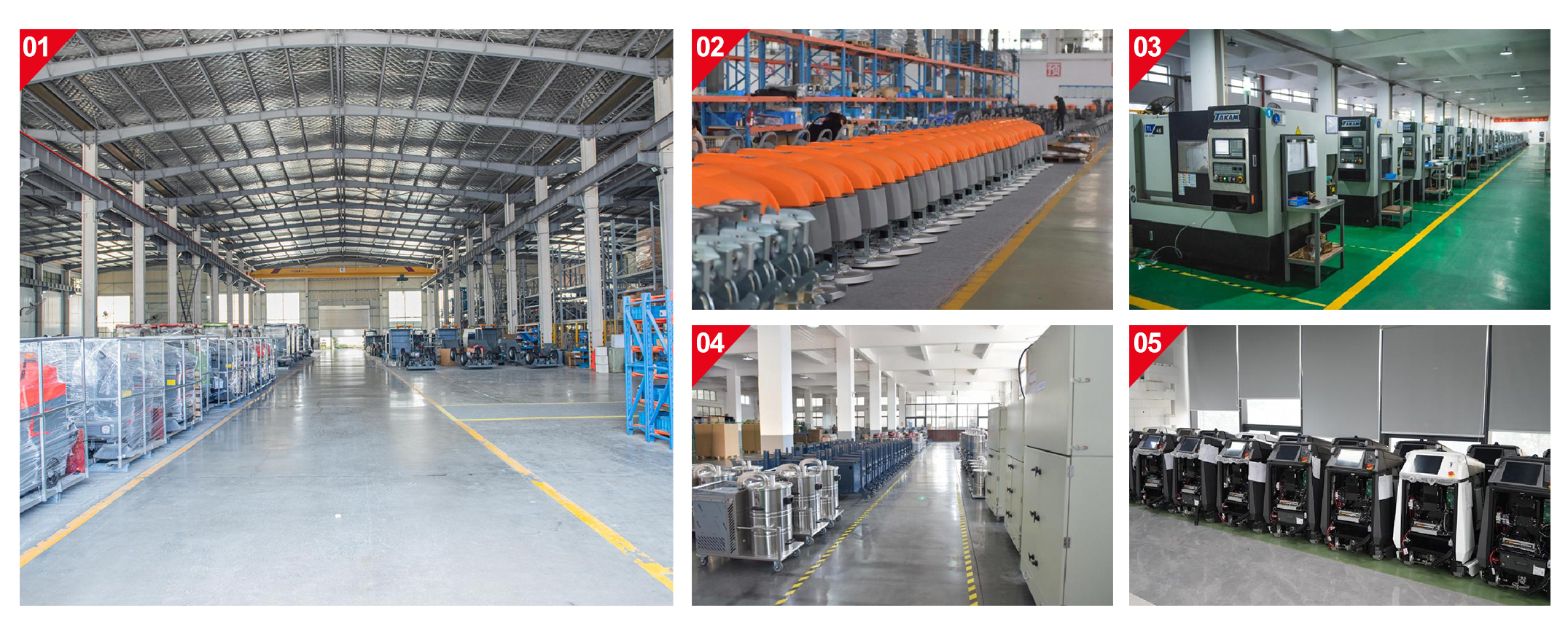
Manufacturing & Delivery
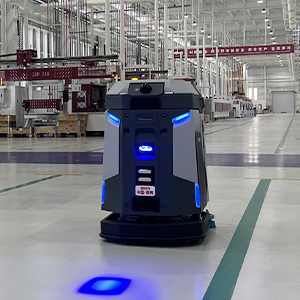
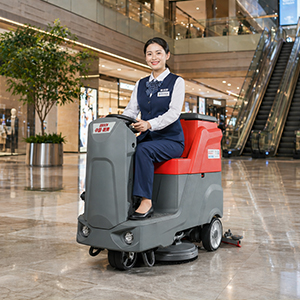
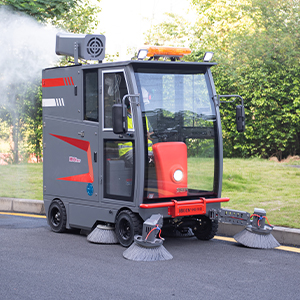
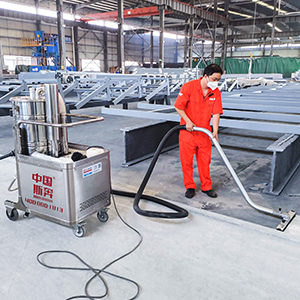
SIBEN works across floor scrubbers, sweepers, industrial vacuums, high-pressure washers and cleaning robots, supporting partners from product selection through delivery and after-sales communication.
Cooperation Process
Every market is different. We review your business first, then discuss suitable products and cooperation terms.
Tell us about your company, country and product interests.
Our team reviews your market, current channels and service capability.
We discuss suitable machines, positioning and cooperation options.
Confirm the plan, product preparation and next commercial steps.
Become a SIBEN Partner
Submit your company information and product interests. Our team will review the application and contact suitable partners for the next discussion.
Frequently Asked Questions
Cleaning-equipment distributors, machinery traders, facility-service companies and businesses with suitable local sales or service channels are welcome to apply.
Yes. Branding, packaging and configuration requirements can be discussed based on the selected products and order plan.
Support may include product information, sales materials, operation and maintenance guidance, technical communication and market-cooperation planning.
No. Product selection, territory, order quantities, logistics and cooperation terms are confirmed after the business review.
This article treats industrial cleaning equipment procurement as a "mini-project," systematically breaking down six stages: requirements writing, technical parameter classification, supplier evaluation, three-level acceptance, hard contract clauses, and compliance documentation. The core approach is to translate "what to buy" into "what problem to solve," distinguish verifiable parameters from reference-only claims, evaluate suppliers through a scoring system, implement factory/delivery/final acceptance stages, and secure the deal with four contract clauses: payment tied to acceptance, warranty response, spare parts supply, and training. The article concludes with 10 FAQ and actionable checklists.
This article proposes a "classify first, then zone" equipment selection framework for complex cleaning scenarios in auto repair workshops and 4S service centers. It first identifies four contaminant types (oil, dust, paint, mud) and their corresponding cleaning strategies, then provides equipment configuration recommendations for five functional zones — service bays & lifts, body & sanding stations, paint mixing & spray booths, car wash area, and customer reception & showroom. It also covers wet/dry separation principles, electrical & charging safety boundaries, consumables record-keeping, and six quantifiable procurement acceptance criteria, helping readers build a compliant, efficient and practical workshop cleaning system from scratch.
This article explains the unique floor-cleaning challenges of lithium battery production — conductive powder hazards, epoxy coating protection, and moisture/electrolyte control — and shows how a two-stage "sweep then scrub" workflow solves them. It details the Siben A300 (5580㎡/h), A600 (9500㎡/h) and A900 lithium-ion sweeper (16000-22000㎡/h, 5-6 hour runtime) together with X-series scrubbers, and provides selection guidance and an FAQ for facility and EHS managers.
This article breaks down the four core noise control technologies that enable Siben's industrial sweepers to achieve 60 dB(A) operation — equivalent to normal conversation. Through detailed engineering analysis of motor vibration isolation, brush system acoustics, airflow and filtration design, and chassis sound insulation, it explains how the A300 (2000W, 320kg) and A600 (3780W, 590kg) maintain identical 60dB noise levels despite vastly different power outputs. Real-world deployment cases in noise-sensitive environments like schools and commercial spaces demonstrate the practical value of low-noise industrial cleaning equipment.
This article reveals how Siben manufactures industrial cleaning equipment through rigorous engineering standards, an 8-stage quality control pipeline, and a comprehensive after-sales service network. It covers the Thunder God AMR autonomous cleaning robot, A-Series ride-on sweepers (A300/A600/A900), and X-Series floor scrubbers, helping procurement decision-makers understand why manufacturing quality directly impacts equipment lifespan, total cost of ownership, and cleaning performance.
This article addresses the most common questions from factory purchasers regarding the choice between industrial sweepers and floor scrubbers. It covers the cleaning principles (dry sweeping vs. wet scrubbing), suitable application scenarios, a comparison of the specifications for the S-Pen A series sweepers (A300/A600/A900) and the X series floor scrubbers (X1-X8), and six frequently asked questions, along with a three-step decision-making process, to help users select the appropriate equipment based on the type of soil, cleaning requirements, and area size.
This article provides a comprehensive analysis of the working principles of industrial vacuums (negative pressure adsorption, filtration and separation, pulse backwashing), four major types (single-phase/three-phase/pulse/explosion-proof), SIBEN XC series selection guide (XC300-XC3000), 8 major industry application scenarios (textile/food/pharmaceutical/metal processing, etc.), maintenance essentials, and 6 FAQs. Tailored for factory equipment procurement and EHS managers, it offers a complete decision-making reference from technical principles to model matching.
This article examines the unique floor cleaning challenges in automotive manufacturing facilities — including oil, metal shavings, paint overspray, and forklift tire marks — and presents Siben's equipment solutions: the Thunder God AMR cleaning robot (1,800㎡/h), A600 sweeper (9,500㎡/h), A900 lithium sweeper (22,000㎡/h), and X-Series scrubbers. It covers deployment strategies by production zone, ROI analysis, and frequently asked questions for facility managers.

| | Address: Building A2, Ping An Technology Silicon Valley, No. 76 Chuangyu Road, Zengcheng High tech Development Zone, Guangzhou, Guangdong |
| | Custom Support & Sale: 400-880-1813 |
| | Working Time: 24 hours |
| |
