How to Choose Cleaning Equipment for Food Factories

Author: SIBEN     Publish Time: 2026-08-11      Origin: Site

Inquire

The production environment of a food factory serves as the "first line of defense" for food safety. Selecting the right cleaning equipment is not just about keeping the facility tidy—it directly impacts your ability to pass food safety audits such as HACCP and ISO 22000. In the food processing sector, floor hygiene, water management, and cross-contamination prevention are the three core metrics that must be evaluated.

1. Floor Hygiene: More Than Just "Visually Clean"

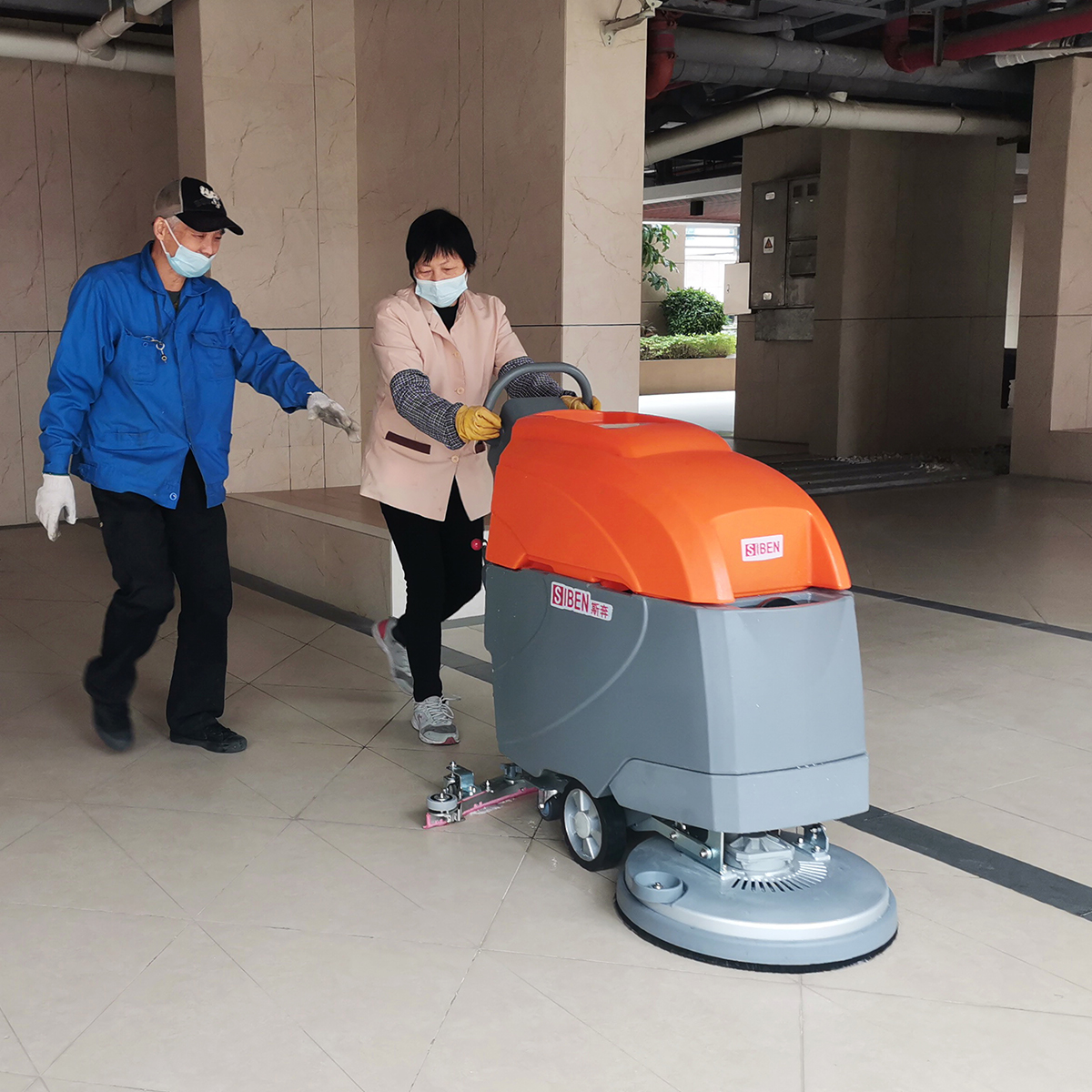
Food factory floors are often made of epoxy resin, polyurethane, or stainless steel drainage channels. Different materials have varying requirements for brush pressure and brush head material.

  • Selection Tip: Prioritize industrial floor scrubbers with high suction power and high cleaning efficiency. Ensure the equipment can thoroughly remove grease, protein residues, and production waste to prevent the formation of biofilms.

    4

    (Click the image for more details)

2. Water Accumulation & Slip Control: Eliminating Hazards

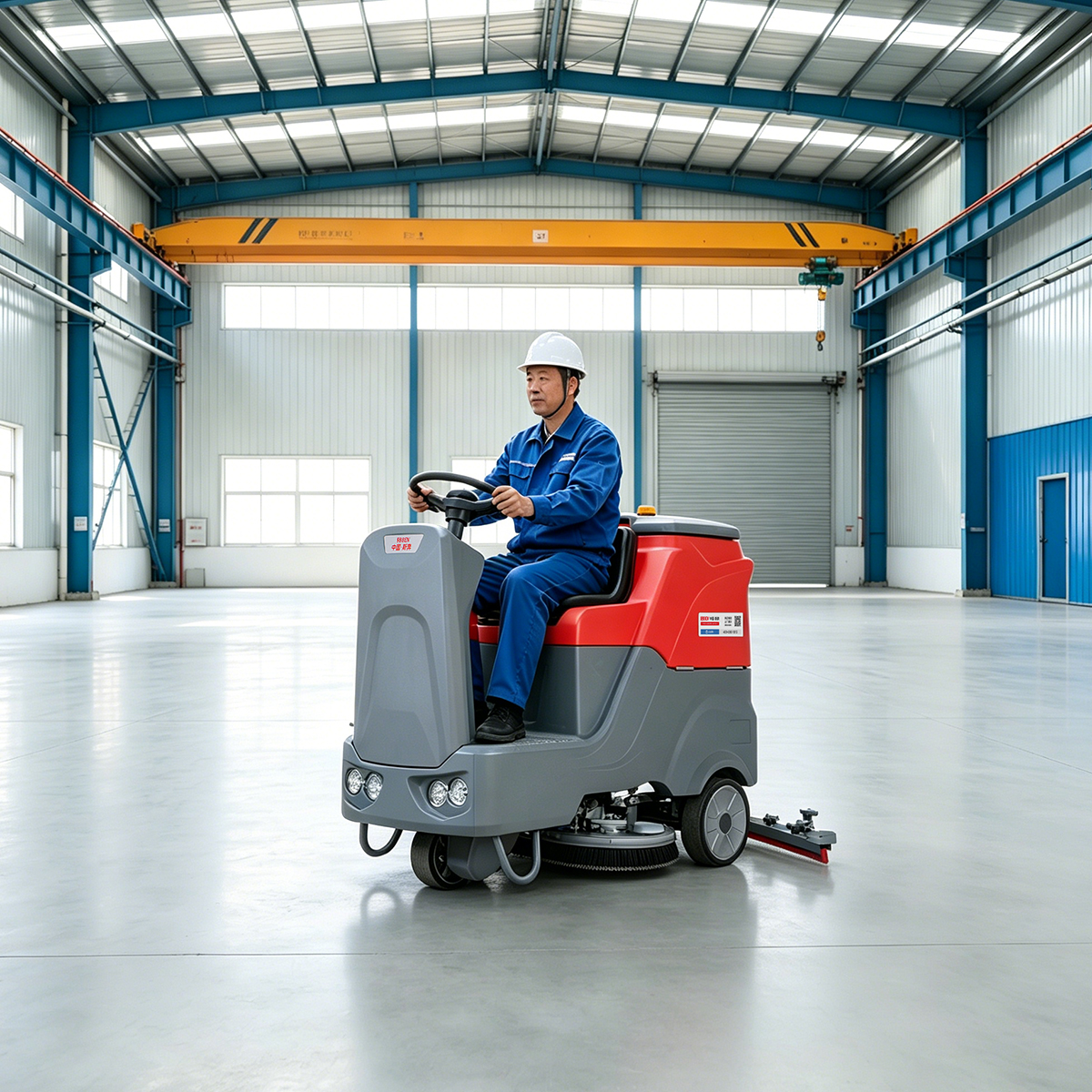
Water accumulation is the most common pollutant on food factory floors and serves as a breeding ground for mold and bacteria. If the cleaning equipment lacks sufficient suction power, residual water not only poses a slip hazard but also accelerates the spread of contamination.

  • Selection Tip: Pay attention to the squeegee design and vacuum suction power. High-quality scrubbers should provide excellent drying performance, ensuring floors dry rapidly after cleaning without leaving water stains, thereby disrupting microbial growth.

    4

    (Click the image for more details)

3. Cross-Contamination: "Cutting Off" Risks in the Cleaning Process

Cross-contamination often occurs when cleaning tools are moved between different production zones. In food factories, the cleaning equipment itself must not become a source of contamination.

  • Selection Tip:

    1. Zone Management: Where possible, assign specific equipment to high-risk zones (e.g., packaging areas) versus low-risk zones (e.g., outer warehouses).

    2. Material Requirements: Choose equipment with smooth surfaces, "no-dead-corner" designs, and components that are easy to disinfect thoroughly.

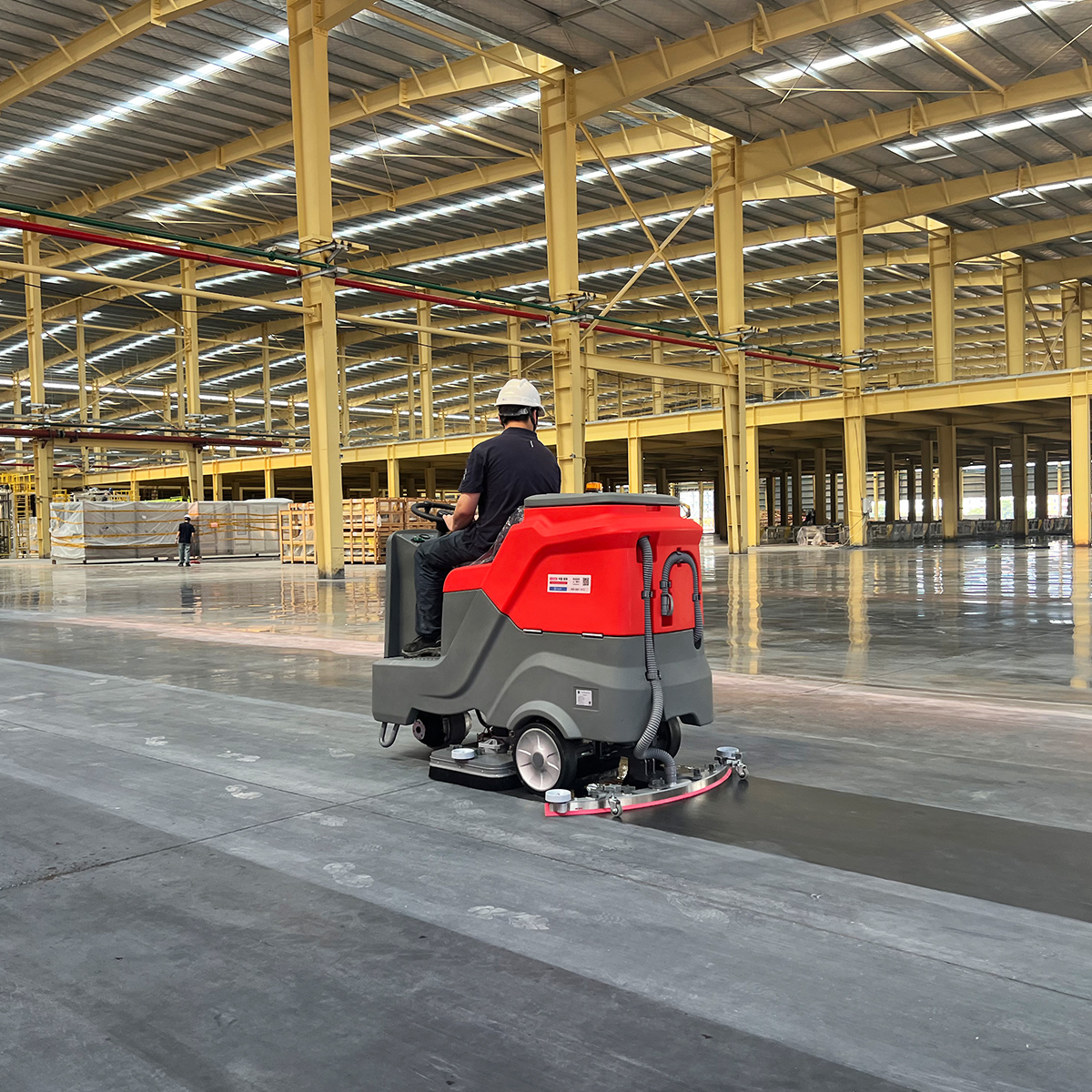
    3. Intelligent Upgrades: Industrial cleaning robots, which follow fixed paths and generate precise cleaning logs, can effectively reduce human error and minimize the risk of cross-contamination.

      3

      (Click the image for more details)

4. Selection Strategy for Food Factory Cleaning Equipment

After evaluating the three factors above, consider the following combinations based on your factory scale:

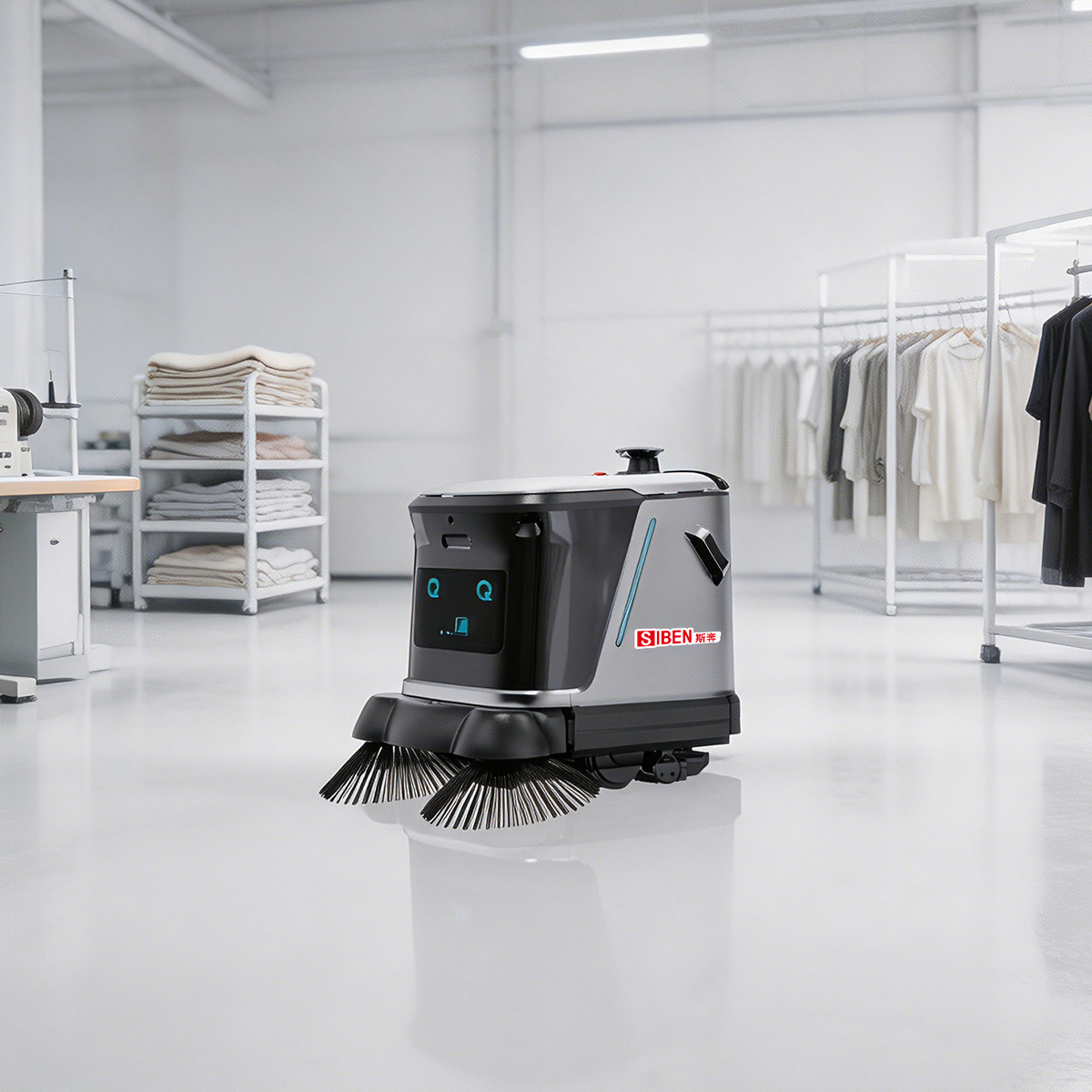
  1. Small to Medium Workshops: Walk-behind scrubbers are cost-effective and flexible.

  2. Large, Open Workshops: Ride-on scrubbers can significantly reduce cleaning time and boost operational efficiency.

  3. High-Level Clean Zones: Consider introducing industrial cleaning robots to achieve unmanned, standardized cleaning and ensure audit traceability.

    4

    (Click the image for more details)

Conclusion

Investing in the right cleaning equipment for a food factory is a proactive measure. From maintaining floor hygiene to managing water and preventing cross-contamination, every decision should be centered on meeting food safety audit standards. Investing in efficient, professional equipment is the key to ensuring continuous and stable factory operations.


NEWS

How to Choose Low-Noise Industrial Cleaning Equipment for Malls, Hospitals, and Schools
2026 / - 08 / - 12

This article delves into how to scientifically select and evaluate low-noise industrial cleaning equipment for noise-sensitive public places such as malls, hospitals, schools, and office buildings. The article first highlights the core importance of low noise in maintaining order in high-traffic areas; then provides specific selection standards from four dimensions: decibel indicators, motor technology, venue-model matching, and cleaning operation time planning; subsequently introduces comprehensive solutions for achieving quiet and efficient cleaning through "sweeping-scrubbing combinations" and "intelligent robot nighttime operations"; and finally offers practical advice for buyers on inspecting manufacturers for true test data and after-sales support.

Industrial Cleaning Robots: The Future of Smart Cleaning Solutions
2026 / - 08 / - 05

This article explores the application and development trends of industrial cleaning robots in modern factories, warehouses, and commercial facilities. It points out that with rising labor costs and increasing demands for efficiency, industrial cleaning robots—which combine AI and autonomous navigation technologies—have become an efficient alternative to traditional manual cleaning. The article details the core advantages of choosing cleaning robots (such as reducing labor costs, improving cleaning consistency, and enhancing workplace safety), outlines their intelligent workflow and application scenarios, and answers common questions regarding nighttime operation and return on investment, comprehensively demonstrating the professional value of SIBEN industrial cleaning solutions in smart facility management.

How to Choose Cleaning Equipment for Food Factories
2026 / - 08 / - 11

In food manufacturing, cleanliness is critical to safety and compliance. This article analyzes how to select industrial scrubbers, sweepers, and robots by focusing on floor hygiene, water control, and cross-contamination risks to ensure both efficiency and food safety standards are met.

Factory Floor Cleaning Guide: Scrubbers, Sweepers, and Industrial Vacuums
2026 / - 08 / - 10

This guide outlines industrial floor cleaning equipment selection across floor area, soil level, aisle width, and cleaning frequency. It details suitable applications for walk-behind scrubbers, ride-on scrubbers, sweepers, industrial vacuums, and autonomous robots, while explaining how SIBEN’s product portfolio—including X-series scrubbers, Erlangshen ride-ons, and WInd God GT/WIndia robots—meets various facility maintenance needs. Finally, it highlights key buyer decision criteria such as productivity, runtime, and long-term reliability.

How to Choose Cleaning Equipment for Underground Parking Garages
2026 / - 08 / - 07

Efficient cleaning of underground garages requires a scientific approach to selecting the right industrial equipment based on real-world factors such as total floor area, type of soilage, and aisle dimensions. This article provides a scenario-based guide to equipment selection, offering an in-depth comparison of walk-behind floor scrubbers, ride-on scrubbers, intelligent cleaning robots, sweepers, and industrial vacuums. By highlighting specific SIBEN product lines—including the X-series, Erlangshen, Thunder God GT, and Wind God—we provide facility managers and property owners with a comprehensive framework for selecting the ideal equipment and evaluating key performance metrics.

Why Warehouse Cleaning Needs Automation: The Future of Facility Management
2026 / - 08 / - 03

This article explores the transformation of warehouse cleaning through automation. It examines the hidden costs of manual cleaning—including high labor costs, operational disruptions, inconsistent quality, and safety hazards—and presents the core benefits of autonomous cleaning solutions. Key advantages include maximized operational efficiency, enhanced workplace safety, data-driven facility management, and sustainable operations. The article concludes that cleaning automation is essential for building smarter, safer, and more resilient supply chains.

Kenan Robot Helps Camry Electronics Reduce Costs and Increase Efficiency: "Try One Indoor Unit, Instantly Save Two Cleaners!"
2026 / - 07 / - 29

Zhongshan Camry Electronics Co., Ltd. successfully introduced a Kenan commercial floor scrubbing robot for an indoor trial in its three-story office building. By replacing traditional manual cleaning with intelligent automation, the company successfully reduced 1-2 cleaning positions, lowered labor costs, eliminated watermarks on tile floors, and significantly boosted overall environmental cleanliness, laying the groundwork for a broader indoor-outdoor automation plan.

8-Story Old Factory, 1.5-Meter Narrow Aisles, and Carburetor Grease Everywhere? See How This Enterprise Achieved a "Counterattack" Using Robots!
2026 / - 07 / - 27

How do legacy factories achieve an intelligent "counterattack"? Facing traditional pain points such as an 8-story building, 1.5-meter narrow aisles, and stubborn carburetor grease all over the ground, Fujian Jieliwan introduced the Thor GT industrial cleaning robot, which features autonomous elevator control and deep degreasing capabilities. It not only achieves fully automated cross-floor operations, but also boosts cleaning efficiency by 65% and drops the oil residue rate from 60% to 10%, fully ushering in a new era of modern smart workshops!