Global Industrial Floor Cleaning Equipment Market: Comprehensive Analysis
Views: 9 Author: SIBEN Publish Time: 2026-04-07 Origin: Site


Abstract
The global industrial floor cleaning equipment market is experiencing rapid growth. The market size reached $5.73 billion in 2025 and is projected to exceed $10.31 billion by 2032, with a compound annual growth rate (CAGR) of 8.76%. This article analyzes the industry from a global perspective, covering core products such as floor scrubbers, floor sweepers, and industrial cleaning robots, exploring market characteristics across major regions including North America, Europe, and Asia-Pacific, and examining global technology trends in intelligence and sustainable development.
I. Global Market Overview
The global industrial floor cleaning equipment market demonstrates strong growth momentum. The market size reached $5.73 billion in 2025, projected to reach $6.22 billion in 2026, and is expected to exceed $10.31 billion by 2032, with a CAGR of 8.76%.
Growth Drivers:
Manufacturing upgrades: Global manufacturing transformation toward intelligence and automation
Enhanced hygiene standards: Stricter requirements for clean environments in the post-pandemic era
Rising labor costs: Climbing labor costs in Europe and America driving investment in automated equipment
Stricter environmental regulations: Strengthened oversight on water resources and chemical usage
Product Segmentation:
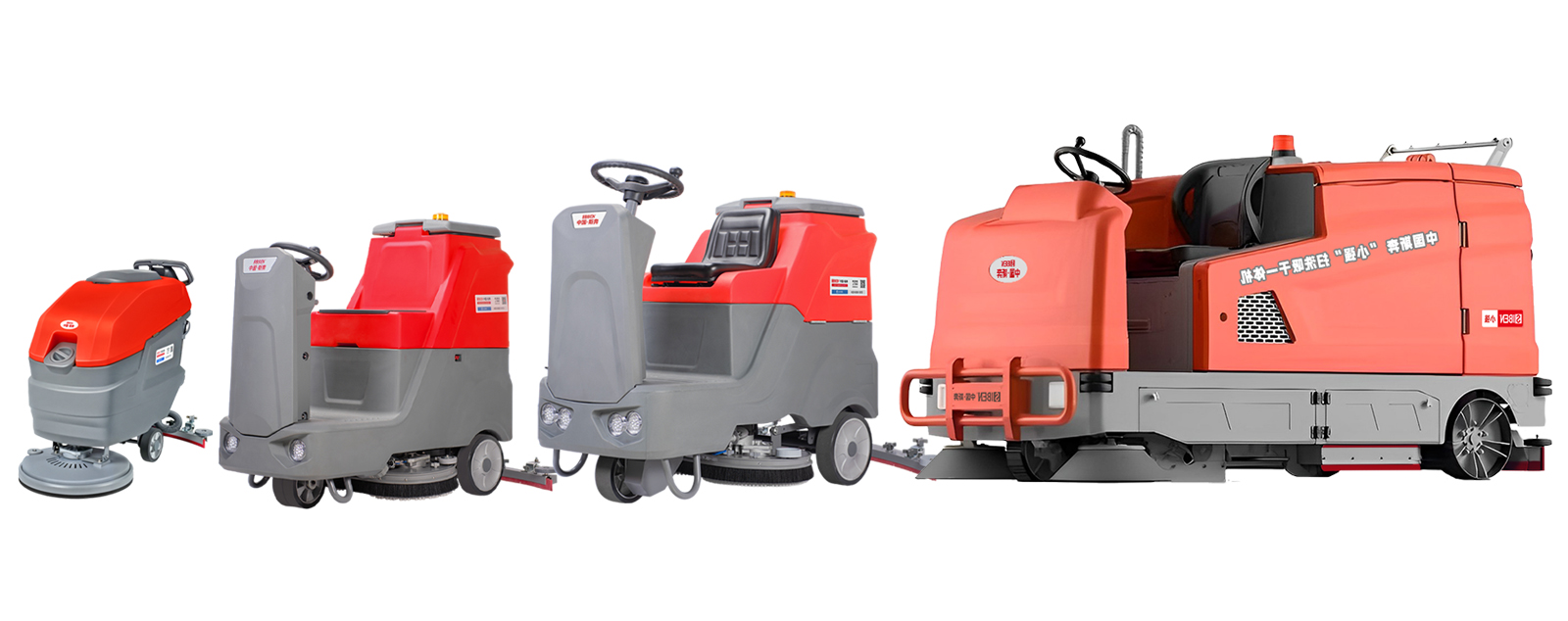
Floor Scrubbers (ride-on + walk-behind): Occupy the largest market share of 40.2%
( Click the image for more details)
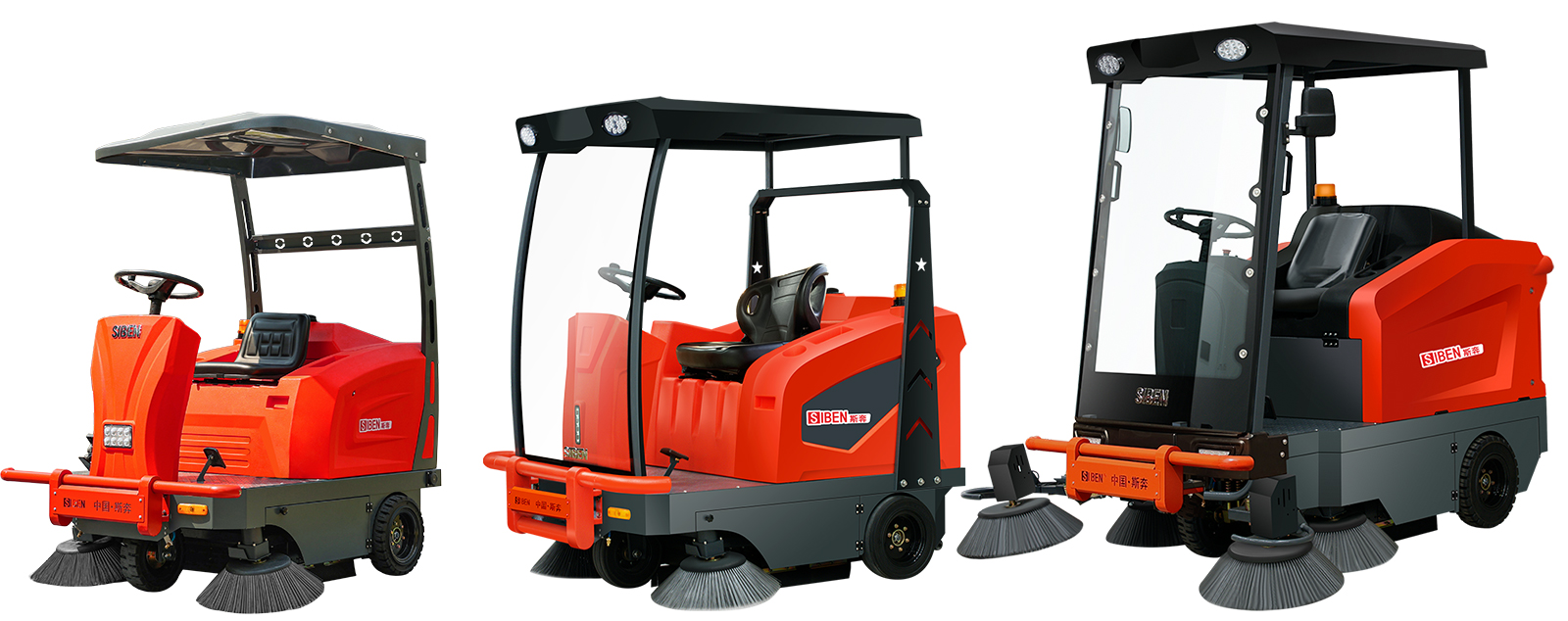
Floor Sweepers: Handle solid waste and dust, widely applied in manufacturing facilities
( Click the image for more details)
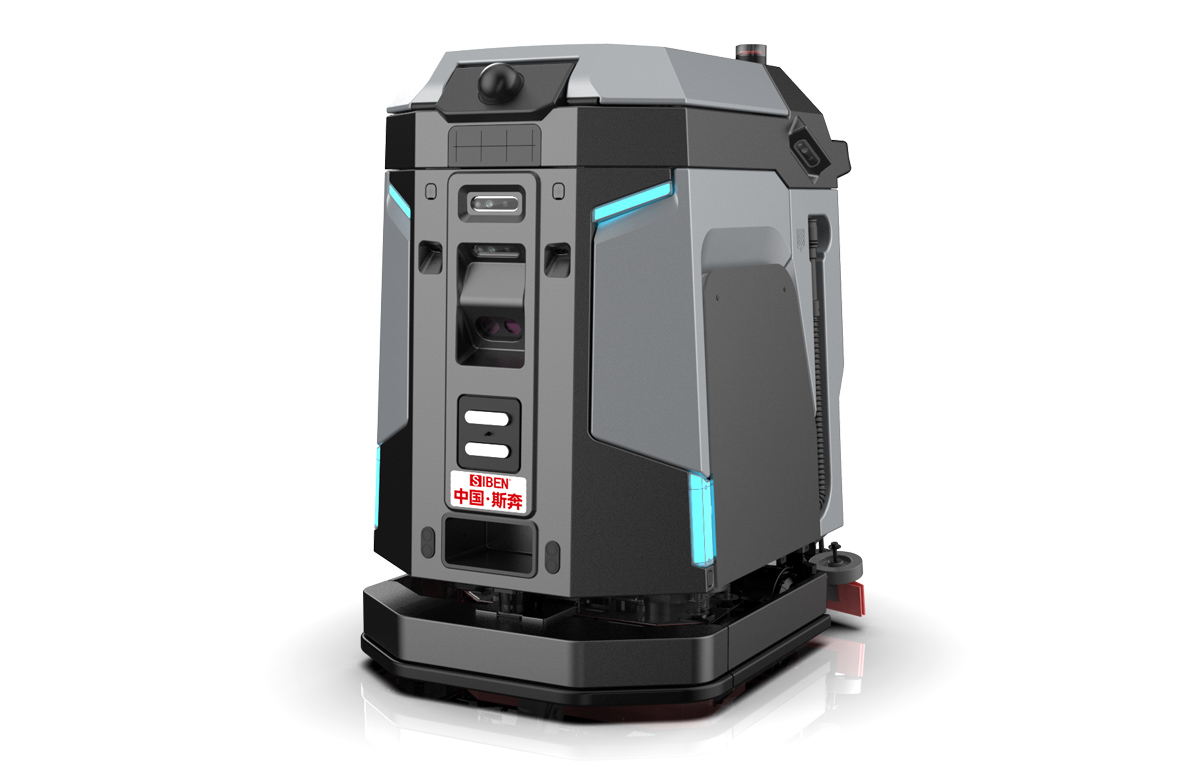
Industrial Cleaning Robots: Fastest growing segment, up 33.3% YoY in 2024
( Click the image for more details)
High-pressure Washers: Suitable for deep cleaning of heavy oil contamination

North America: Innovation Leader (40% Market Share)
II. Global Regional Market Analysis
The United States is the largest market, with a market size of approximately $1 billion in 2024. Characteristics: Leading technological innovation, early adoption of IoT and AI technologies; strict environmental regulations; mature equipment leasing market. Local brands such as Tennant Company and Diversey Holdings dominate.
Europe: Sustainability Pioneer (30% Market Share)
Germany serves as the core market, home to global brands including Karcher, Nilfisk, and Hako. Characteristics: Strictest environmental regulations driving widespread adoption of water recycling systems; high focus on energy efficiency and carbon footprint; Germany, UK, and France are primary consumer countries.
Asia-Pacific: Fastest Growing Region (25% Market Share)
Projected CAGR exceeding 7% in the coming years. China is the largest market, with a market size of approximately 4.86 billion RMB in 2024. Characteristics: Rapid urbanization and industrialization; rising labor costs accelerating automation adoption; emergence of local brands (Gausium, Ecovacs Commercial, etc.).
III. Global Technology Trends
Intelligence and Automation
Autonomous Navigation Technology: LiDAR combined with 3D vision, SLAM technology enables autonomous mapping
AI and Machine Learning: Optimizes cleaning paths, dynamic obstacle avoidance, predictive maintenance
Representative Products: Tennant T7AMR robot featuring BrainOS system
IoT Integration and Remote Management
Device connectivity enables remote monitoring and diagnostics
Fleet Management systems optimize multi-device coordination
Cloud-based data analysis, visualization of cleaning effectiveness
Sustainable Development
Water Resource Management: Recycling water systems can reduce water usage by over 70%
Energy Efficiency: Lithium batteries replacing lead-acid batteries, faster charging and longer lifespan
Eco-friendly Technology: Tennant ec-H2O NanoClean® technology eliminates need for chemicals
IV. International Brand Competitive Landscape
Global Leading Manufacturers:
Tennant Company (USA): Global leader, approximately $1.2 billion in sales in 2025, leading in intelligent robots and eco-friendly technology
Karcher (Germany): Globally renowned brand, significant investment in IoT integration, comprehensive product line
Nilfisk Group (Denmark): Major European manufacturer, focused on sustainable development
Hako Group (Germany): Leader in water recycling technology, durable and reliable products
Rise of Chinese Brands:
SIBEN: Established in 2019, National High-tech Enterprise, specializing in R&D and production of industrial cleaning equipment. Product line covers full range including industrial floor scrubbers, floor sweepers, cleaning robots, high-pressure washers, and industrial vacuum cleaners. Serving 12,300+ customers, including renowned enterprises such as Ping An Technology Silicon Valley and Fuyao Glass. Operating 800+ service centers nationwide, core strengths include full product line coverage, independent R&D capabilities, and comprehensive service system
Gausium: Industrial cleaning robot shipments exceeded 1,800 units in 2024, SLAM technology meets international standards
Ecovacs Commercial: Expanded from residential to commercial sector, high level of intelligence
V. Why Upgrade Industrial Cleaning Equipment Now?
True Costs of Traditional Cleaning Methods:
Many companies still use manual mops and brooms for cleaning, seemingly saving money but actually incurring staggering hidden costs:
Labor costs: One cleaner's monthly salary is 3,000-5,000 RMB, three-shift operation requires 3 people, annual cost exceeds 150,000 RMB
Low cleaning efficiency: Manual cleaning covers only 50-100 m² per hour, a 5,000 m² workshop requires several hours
Inconsistent quality: Cleaning effectiveness depends on individuals, difficult to standardize management
Safety hazards: Wet floors prone to slips, damp environments breed bacteria
Damaged reputation: Dirty floors during client visits affect corporate image
ROI of Investing in Industrial Cleaning Equipment:
Taking a 5,000 m² factory as an example, investment in one ride-on floor scrubber is approximately 50,000-80,000 RMB:
Cleaning efficiency: 4,000 m² per hour, completes entire workshop in 1 hour
Labor savings: 1 operator replaces work of 10 people, saving 300,000+ RMB annually in labor costs
Water conservation: Recycling water system saves over 60% water usage
Return on investment: Equipment cost can be recovered within 6-12 months
Three Reasons to Upgrade Now:
Continuously rising labor costs: Difficult to recruit and retain workers, automation is inevitable
Increasingly demanding clients: Clean production environments have become a basic requirement for client audits
Policy support: Some regions provide subsidies for intelligent cleaning equipment purchases
VI. Why Global Customers Choose SIBEN?
In the industrial cleaning equipment sector, international brands have long dominated the high-end market. However, in recent years, Chinese brands are reshaping the global competitive landscape through technological innovation and superior cost-effectiveness. SIBEN, as a representative enterprise of China's commercial and industrial cleaning equipment, is becoming the preferred partner for global customers.
Five Reasons Global Customers Choose SIBEN:
✅ Technology Meeting International Standards
Industrial cleaning robots equipped with core technologies including LiDAR navigation and AI visual recognition, with performance parameters benchmarked against international brands like Tennant and Karcher. Product reliability has been fully verified under demanding operating conditions at projects like Huadian Xinjiang Hami Coal Power.
✅ Significant Cost-Effectiveness Advantage
Equipment with equivalent specifications saves 30-50% budget compared to European and American brands. Domestically produced core components account for over 75%, providing more competitive pricing while ensuring quality. For budget-conscious overseas customers, SIBEN is the ideal choice for reducing procurement costs.
✅ Comprehensive Solutions for All Scenarios
Product line covers full range including industrial floor scrubbers, floor sweepers, cleaning robots, high-pressure washers, and industrial vacuum cleaners. From 500 m² small workshops to 50,000 m² large factories, from ordinary facilities to special environments requiring explosion-proof or dust-free conditions, SIBEN provides one-stop cleaning solutions.
✅ Validated by 12,300+ Global Customers
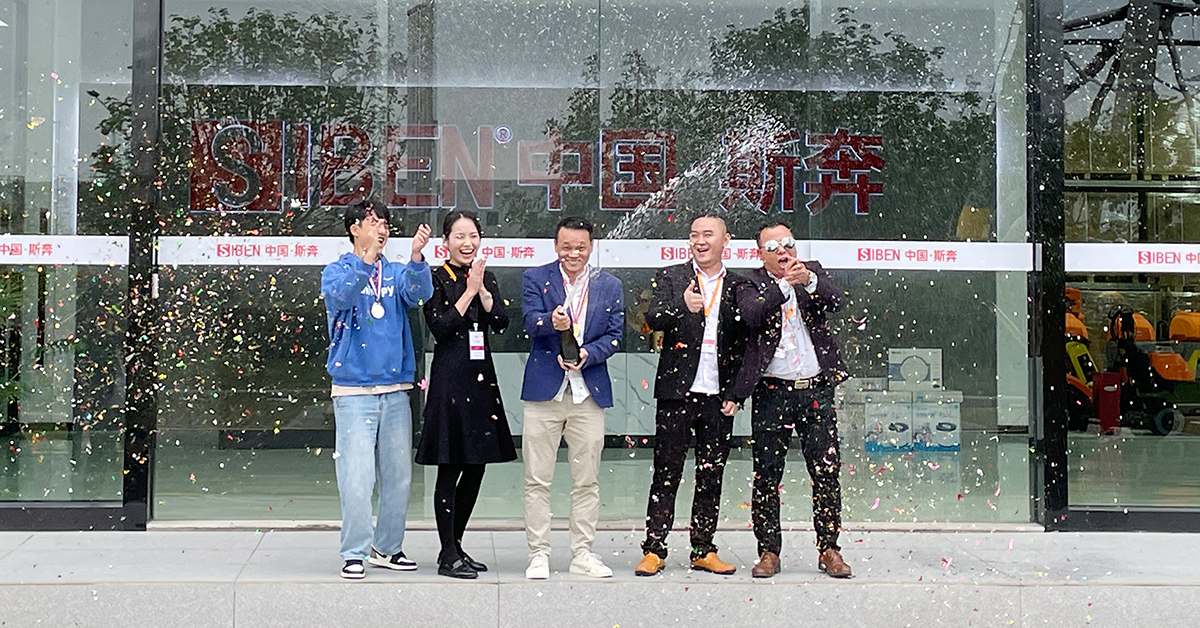
Serving customers across manufacturing, logistics, property management, energy, and other industries. Renowned enterprises including Ping An Technology Silicon Valley, Fuyao Glass, and Fenglv Aluminum have chosen SIBEN. Products have been exported to South America, Southeast Asia, Middle East, and other regions. On-site visits and purchases by Paraguayan customers demonstrate SIBEN's competitiveness in international markets.
✅ Professional International Services
For overseas customers, SIBEN provides professional export service support: customized equipment configuration, international logistics delivery, remote technical training, and global parts supply. Enables overseas customers to enjoy the same service experience as international brands while achieving better value for money.
Who Are the Ideal Global Customers?
Manufacturing Enterprises: Automotive, electronics, mechanical processing industries requiring efficient production line cleaning
Logistics and Warehousing Centers: Large-area warehouse floor cleaning, pursuing efficiency and cost control
Property and Commercial Facilities: Airports, shopping malls, office buildings and other public area cleaning
Energy and Chemical Enterprises: Professional cleaning needs for heavy oil contamination and special operating conditions
Developing Market Buyers: Limited budget but pursuing quality, seeking cost-effective alternatives
How to Get Solutions?
Wherever you are located, SIBEN can provide professional cleaning solutions for you:
International Business Inquiry: sibenclean@gmail.com
English Website: www.sibenclean.com
Chinese Website: www.zgsiben.com
Industrial cleaning experts from China, empowering global enterprises to achieve intelligent upgrading of cleaning operations!

